

As a supplier of wall-mounted centrifugal fans, I often get asked about how much power these fans consume. It's a crucial question, especially for those looking to manage their energy costs or ensure they're using an efficient system. So, let's dive into the factors that affect the power consumption of wall-mounted centrifugal fans and how you can make an informed decision.
Understanding Wall-Mounted Centrifugal Fans
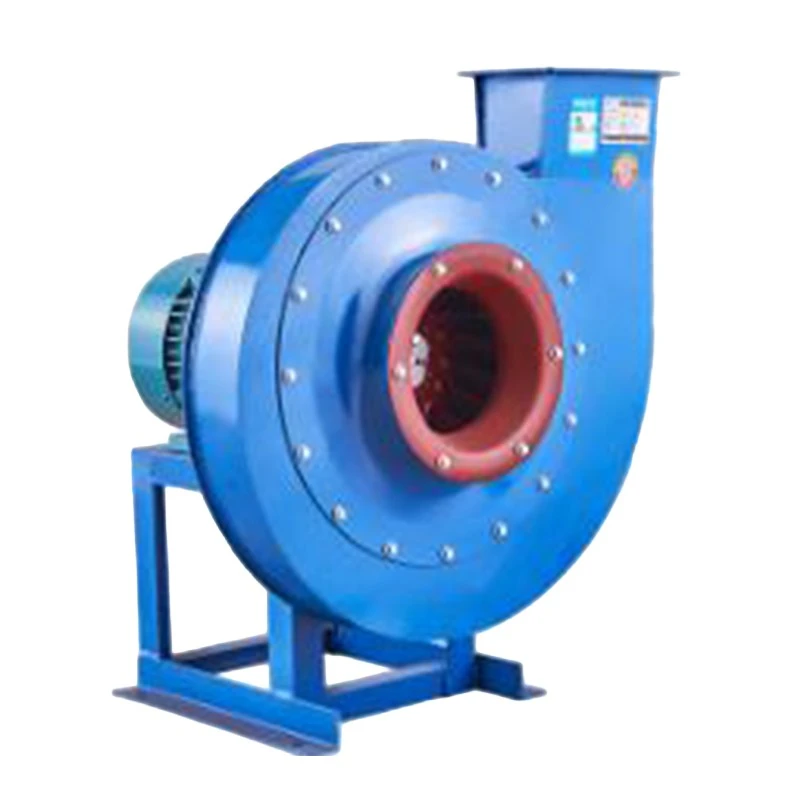
Wall-mounted centrifugal fans are designed to move air in a specific direction. They work by using a rotating impeller to draw air in and then expel it at a right angle to the intake. These fans are commonly used in various settings, such as industrial facilities, commercial buildings, and even some residential applications.
Factors Affecting Power Consumption
- Fan Size and Capacity
The size of the fan and its capacity play a significant role in power consumption. Larger fans with higher capacities generally require more power to operate. This is because they need to move a greater volume of air, which demands more energy from the motor. For example, a small wall-mounted centrifugal fan used in a home bathroom may consume as little as 20 - 50 watts, while a large industrial fan could consume several thousand watts. - Motor Efficiency
The efficiency of the motor is another crucial factor. A more efficient motor will convert a higher percentage of the electrical energy it consumes into mechanical energy to drive the fan. Modern fans often come with high-efficiency motors that are designed to reduce power consumption without sacrificing performance. When choosing a wall-mounted centrifugal fan, look for models with high motor efficiency ratings. - Airflow Requirements
The amount of airflow required for a particular application will also impact power consumption. If you need a high volume of air to be moved quickly, the fan will need to work harder and consume more power. For instance, in a large industrial warehouse, a high airflow rate may be necessary to maintain proper ventilation, which would result in higher power consumption compared to a smaller space with lower airflow needs. - Operating Conditions
The operating conditions can also affect power consumption. Factors such as the temperature, humidity, and altitude can influence the performance of the fan and, in turn, its power usage. For example, in hot and humid conditions, the air is denser, which can make it more difficult for the fan to move, requiring more power.
Calculating Power Consumption
To calculate the power consumption of a wall-mounted centrifugal fan, you need to know the fan's power rating (in watts) and the number of hours it operates. The formula for calculating energy consumption is:
Energy Consumption (in kilowatt-hours) = Power Rating (in kilowatts) x Operating Hours

For example, if a fan has a power rating of 100 watts (or 0.1 kilowatts) and operates for 8 hours a day, the daily energy consumption would be:
0.1 kilowatts x 8 hours = 0.8 kilowatt-hours
Over a month (assuming 30 days), the total energy consumption would be:
0.8 kilowatt-hours x 30 days = 24 kilowatt-hours
Comparing Different Types of Centrifugal Fans
There are several types of centrifugal fans available, each with its own power consumption characteristics. Let's take a look at some common types:
- Duct Centrifugal Fan: These fans are designed to be installed in ducts and are commonly used for ventilation systems. They typically have a higher power consumption compared to smaller wall-mounted fans due to their larger size and the need to move air through the ductwork.
- Centrifugal Blower for Dust Collector: These blowers are used in dust collection systems to remove dust and debris from the air. They often require a significant amount of power to generate the necessary suction and airflow.
- Inline Centrifugal Exhaust Fan: These fans are installed in-line with the ductwork and are used for exhaust applications. They are generally more energy-efficient than larger duct fans but still consume more power than smaller wall-mounted fans.
Tips for Reducing Power Consumption
If you're looking to reduce the power consumption of your wall-mounted centrifugal fan, here are some tips:
- Choose the Right Size Fan
Select a fan that is appropriately sized for your application. An oversized fan will consume more power than necessary, while an undersized fan may not provide sufficient airflow. - Opt for High-Efficiency Motors
Look for fans with high-efficiency motors. These motors are designed to use less energy while still providing the same level of performance. - Use Variable Speed Controls
Variable speed controls allow you to adjust the fan's speed based on your specific needs. This can help reduce power consumption by running the fan at a lower speed when less airflow is required. - Maintain the Fan Regularly
Regular maintenance, such as cleaning the fan blades and lubricating the motor, can help ensure that the fan operates efficiently. A dirty or poorly maintained fan may consume more power than a well-maintained one.
Conclusion
The power consumption of a wall-mounted centrifugal fan depends on several factors, including the fan size, motor efficiency, airflow requirements, and operating conditions. By understanding these factors and following the tips mentioned above, you can choose a fan that meets your needs while minimizing power consumption.
If you're in the market for a wall-mounted centrifugal fan or have any questions about power consumption, feel free to reach out to us. We're here to help you make the right choice for your application.
References
- "Fan Handbook" by the American Society of Heating, Refrigerating and Air-Conditioning Engineers (ASHRAE)
- "Industrial Ventilation: A Manual of Recommended Practice" by the American Conference of Governmental Industrial Hygienists (ACGIH)


