

A quiet centrifugal fan is a valuable addition to various settings, from industrial environments to residential spaces. As a supplier of high - quality centrifugal fans, I understand the importance of ensuring these fans operate smoothly. However, like any mechanical device, quiet centrifugal fans can encounter issues. In this blog, I'll share some effective troubleshooting methods to help you address common problems with your quiet centrifugal fan.
1. Check the Power Supply
The first step in troubleshooting a quiet centrifugal fan is to examine the power supply. A lack of power is one of the most common reasons for a fan not working.
- Verify the Power Source: Ensure that the fan is properly plugged into a functioning electrical outlet. Sometimes, a loose plug can cause intermittent power supply or complete power failure. You can try plugging another device into the same outlet to confirm if the outlet is working.
- Check the Circuit Breaker: If the outlet is working, check the circuit breaker in your electrical panel. A tripped breaker can cut off power to the fan. If the breaker has tripped, reset it and see if the fan starts. However, if the breaker trips again, there may be a more serious electrical issue that requires professional attention.
- Inspect the Power Cord: Look for any visible damage to the power cord, such as cuts or frays. A damaged cord can cause electrical shorts or interruptions. If you find any damage, replace the power cord immediately.
2. Examine the Fan Blades
The fan blades play a crucial role in the operation of the centrifugal fan. Any issues with the blades can affect the fan's performance.
- Check for Obstructions: Inspect the fan blades for any obstructions, such as dust, debris, or foreign objects. These can impede the rotation of the blades and reduce the fan's efficiency. Use a soft brush or compressed air to clean the blades and remove any obstructions.
- Look for Damage: Examine the blades for signs of damage, such as cracks, chips, or bent edges. Damaged blades can cause the fan to vibrate or produce abnormal noises. If you find any damaged blades, replace them as soon as possible.
- Ensure Proper Alignment: Make sure the fan blades are properly aligned. Misaligned blades can cause uneven airflow and reduce the fan's performance. You can use a straightedge to check the alignment of the blades and adjust them if necessary.
3. Evaluate the Motor
The motor is the heart of the centrifugal fan, and any problems with the motor can cause the fan to malfunction.
- Listen for Abnormal Noises: When the fan is running, listen for any abnormal noises, such as grinding, whining, or clicking. These noises can indicate problems with the motor, such as worn bearings or a damaged motor shaft. If you hear any abnormal noises, turn off the fan immediately and have the motor inspected by a professional.
- Check the Motor Temperature: Touch the motor housing to see if it is overheating. An overheating motor can be a sign of a problem, such as a blocked air intake or a malfunctioning motor. If the motor is overheating, turn off the fan and allow it to cool down. Then, check for any obstructions in the air intake and ensure that the motor is properly ventilated.
- Test the Motor Windings: If you have the necessary skills and equipment, you can test the motor windings using a multimeter. This can help you determine if the motor is functioning properly. However, if you are not familiar with electrical testing, it is best to have a professional perform the test.
4. Inspect the Bearings
The bearings in a centrifugal fan support the rotating shaft and allow the fan to operate smoothly. Worn or damaged bearings can cause the fan to vibrate, produce noise, and reduce its efficiency.
- Listen for Bearing Noise: Listen for a high - pitched whine or grinding noise coming from the fan. This can be a sign of worn bearings. If you hear bearing noise, the bearings may need to be replaced.
- Check for Play in the Shaft: Gently try to move the fan shaft from side to side. If there is excessive play in the shaft, it may indicate worn bearings. In this case, the bearings should be replaced.
- Lubricate the Bearings: Some bearings may require lubrication to ensure smooth operation. Check the manufacturer's instructions to see if your fan's bearings need to be lubricated and what type of lubricant to use.
5. Analyze the Airflow
Proper airflow is essential for the efficient operation of a centrifugal fan. If the airflow is restricted or uneven, it can cause the fan to work harder and reduce its performance.
- Check the Air Intake and Outlet: Ensure that the air intake and outlet of the fan are not blocked. Blocked air intake can reduce the amount of air entering the fan, while blocked outlet can prevent the air from being expelled effectively. Remove any obstructions from the air intake and outlet.
- Measure the Airflow: You can use an anemometer to measure the airflow at the outlet of the fan. Compare the measured airflow with the manufacturer's specifications. If the airflow is significantly lower than the specifications, there may be a problem with the fan or the ductwork.
- Inspect the Ductwork: If the fan is connected to ductwork, check the ductwork for any leaks, blockages, or kinks. Leaky ductwork can reduce the airflow and cause the fan to work less efficiently. Seal any leaks and straighten any kinks in the ductwork.
6. Consider the Control System
Many modern centrifugal fans are equipped with a control system that allows you to adjust the fan's speed and operation. If the control system is not working properly, it can affect the fan's performance.
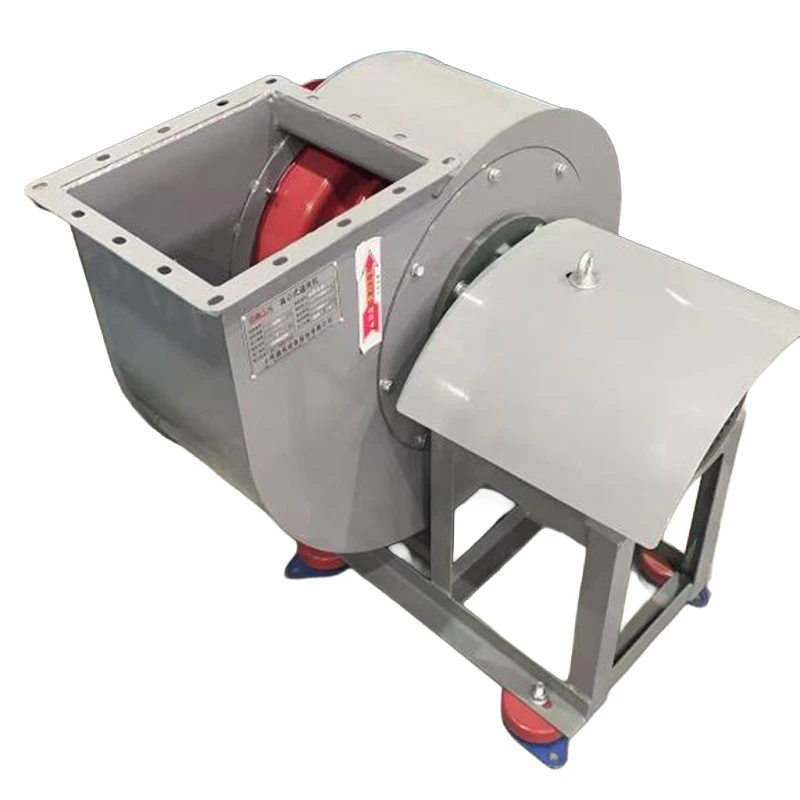

- Check the Control Settings: Make sure the control settings on the fan are set correctly. If the fan is not operating at the desired speed or mode, check the control panel or remote control for any incorrect settings.
- Test the Control Circuit: If you suspect a problem with the control circuit, you can test it using a multimeter. However, this should only be done by a qualified electrician. If the control circuit is damaged, it may need to be repaired or replaced.
Product Recommendations
As a supplier of quiet centrifugal fans, we offer a variety of products to meet different needs. For those looking for a wall - mounted solution, our Wall Mounted Centrifugal Fan is a great choice. It is designed to save space and provide efficient ventilation.
If you need a fan for hazardous environments, our Explosion Proof Centrifugal Fan is specifically engineered to meet safety requirements.
For applications where variable speed control is necessary, our Variable Speed Centrifugal Fan allows you to adjust the fan speed according to your needs, providing energy - efficient operation.
Conclusion
Troubleshooting a quiet centrifugal fan requires a systematic approach. By following the steps outlined above, you can identify and resolve common problems with your fan. However, if you are unable to troubleshoot the problem on your own, it is recommended to seek the assistance of a professional technician.
If you are interested in purchasing a quiet centrifugal fan or have any questions about our products, please feel free to contact us. We are committed to providing high - quality products and excellent customer service.
References
- "Centrifugal Fan Handbook" by John A. Klingshirn
- "HVAC Systems and Equipment" by Steven A. Taylor
- Manufacturer's manuals for various centrifugal fans


