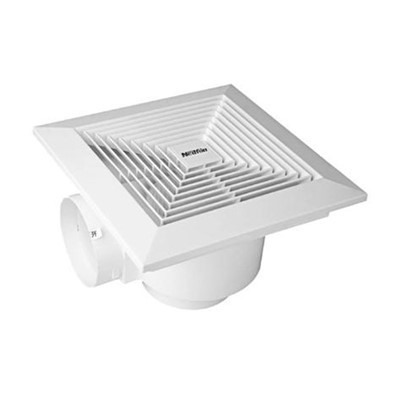
Installing a high pressure axial fan in a clean room ventilation system is a crucial task that requires careful planning, precise execution, and a deep understanding of the system's requirements. As a high pressure axial fan supplier, I've had the privilege of assisting numerous clients in integrating these fans into their clean room setups. In this blog, I'll share a comprehensive guide on how to install a high pressure axial fan in a clean room ventilation system.
Understanding the Clean Room Requirements
Before diving into the installation process, it's essential to understand the specific requirements of the clean room. Clean rooms are designed to maintain a controlled environment with low levels of pollutants, such as dust, airborne microbes, and chemical vapors. The ventilation system plays a vital role in achieving and maintaining these conditions.
The high pressure axial fan should be selected based on factors such as the size of the clean room, the required air volume, and the pressure requirements. A fan that is too small may not provide sufficient airflow, while a fan that is too large can lead to excessive energy consumption and unnecessary noise.
Selecting the Right High Pressure Axial Fan
When choosing a high pressure axial fan for a clean room ventilation system, several factors need to be considered:
- Airflow Capacity: The fan should be able to deliver the required airflow to maintain the desired air changes per hour (ACH) in the clean room. ACH is a measure of how many times the entire volume of air in the room is replaced in one hour.
- Pressure Rating: The fan must be capable of generating the necessary pressure to overcome the resistance in the ventilation system, including ductwork, filters, and other components.
- Efficiency: Look for a fan with high energy efficiency to reduce operating costs. Energy-efficient fans can also help minimize heat generation, which is important in maintaining a stable temperature in the clean room.
- Noise Level: Clean rooms often require a quiet environment, so it's important to choose a fan with a low noise level. Consider fans with features such as aerodynamic blade designs and sound-dampening materials.
As a supplier, we offer a range of high pressure axial fans, including Explosion Proof Axial Fan, Air Mover Axial Fan, and Aluminium Turbo Ventilator, to meet the diverse needs of clean room applications.


Pre-Installation Preparation
Once the appropriate fan has been selected, the following pre-installation steps should be taken:
- Inspect the Fan: Carefully inspect the fan for any damage or defects before installation. Check the blades, motor, and housing for any signs of wear or damage.
- Verify the Installation Location: Ensure that the installation location is suitable for the fan. The location should be well-ventilated, away from any sources of heat or moisture, and easily accessible for maintenance.
- Prepare the Ductwork: The ductwork should be properly sized and installed to ensure efficient airflow. Make sure the ductwork is free of any obstructions and is properly sealed to prevent air leakage.
- Gather the Necessary Tools and Materials: Collect all the tools and materials required for the installation, including screwdrivers, wrenches, mounting brackets, and electrical wiring.
Installation Process
The installation process for a high pressure axial fan in a clean room ventilation system typically involves the following steps:
- Mount the Fan: Use the provided mounting brackets to secure the fan to the designated location. Make sure the fan is level and securely fastened to prevent vibration and noise.
- Connect the Ductwork: Connect the fan to the ductwork using appropriate connectors and seals. Ensure that the connections are tight and leak-free to prevent air loss.
- Electrical Connection: Connect the fan to the power supply according to the manufacturer's instructions. Make sure to use the correct wiring and follow all electrical safety procedures.
- Test the Fan: Once the installation is complete, test the fan to ensure it is operating properly. Check the airflow, pressure, and noise level to ensure they meet the specified requirements.
Post-Installation Checks
After the fan has been installed and tested, the following post-installation checks should be performed:
- Inspect the Installation: Check the installation for any signs of damage or loose connections. Make sure all components are properly installed and functioning correctly.
- Monitor the Performance: Monitor the fan's performance over time to ensure it continues to operate efficiently. Check the airflow, pressure, and noise level regularly and make any necessary adjustments.
- Maintain the Fan: Regular maintenance is essential to keep the fan operating at its best. Follow the manufacturer's maintenance recommendations, including cleaning the fan blades, lubricating the motor, and replacing any worn or damaged components.
Conclusion
Installing a high pressure axial fan in a clean room ventilation system is a complex process that requires careful planning and execution. By understanding the clean room requirements, selecting the right fan, and following the proper installation and maintenance procedures, you can ensure that your clean room ventilation system operates efficiently and effectively.
If you're in need of a high pressure axial fan for your clean room ventilation system, we're here to help. As a trusted supplier, we offer a wide range of high-quality fans and expert support to meet your specific needs. Contact us today to discuss your requirements and explore our product offerings.
References
- ASHRAE Handbook - HVAC Systems and Equipment
- Clean Room Design and Operation Guidelines
- Fan Manufacturer's Installation and Maintenance Manuals