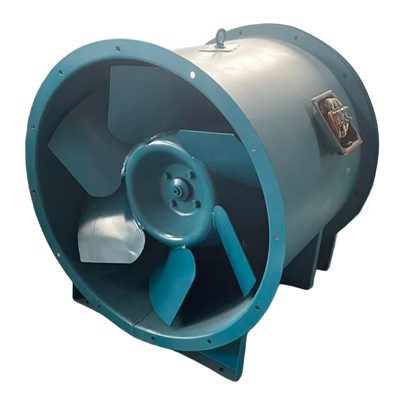
As a supplier of Axial Roof Fans, I've been asked numerous times whether these fans are suitable for ventilation in auditoriums. In this blog, I'll delve into the technical aspects, advantages, and potential drawbacks to help you make an informed decision.
Technical Considerations
Axial Roof Fans operate on a simple yet effective principle. They use blades to move air parallel to the axis of the fan. This design allows for a high volume of air to be moved at relatively low pressures. When it comes to auditoriums, the key factors to consider are air volume, air quality, and noise levels.
Air Volume
Auditoriums are large spaces that require a significant amount of air to be circulated to maintain a comfortable environment. Axial Roof Fans are capable of moving large volumes of air, making them a viable option for auditorium ventilation. For example, a standard Axial Roof Fan can move anywhere from 10,000 to 50,000 cubic feet per minute (CFM), depending on its size and specifications. This high air volume ensures that fresh air is constantly being introduced into the auditorium, while stale air is removed.
Air Quality
Maintaining good air quality is crucial in auditoriums, especially during events with a large number of people. Axial Roof Fans can help improve air quality by removing pollutants, such as carbon dioxide, dust, and odors. They can also be equipped with filters to further enhance air purification. Additionally, the continuous air circulation helps prevent the buildup of moisture, which can lead to mold and mildew growth.
Noise Levels
Auditoriums are places where noise can be a significant issue. Axial Roof Fans are generally designed to operate quietly, but it's important to choose a fan with a low noise level to avoid disturbing the audience. Many modern Axial Roof Fans are equipped with advanced blade designs and motor technologies that reduce noise while maintaining high performance.
Advantages of Axial Roof Fans for Auditorium Ventilation
Energy Efficiency
Axial Roof Fans are known for their energy efficiency. They consume less power compared to other types of fans, such as centrifugal fans, while still providing a high volume of air. This can result in significant energy savings over time, especially in large auditoriums that require continuous ventilation.
Easy Installation
Axial Roof Fans are relatively easy to install on the roof of an auditorium. They require minimal space and can be mounted directly on the roof structure. This makes them a convenient option for both new construction and retrofit projects.
Cost-Effective
Axial Roof Fans are generally more cost-effective than other types of ventilation systems. They have a lower initial cost and require less maintenance, which can result in long-term savings. Additionally, their energy efficiency helps reduce operating costs.
Potential Drawbacks
Limited Pressure
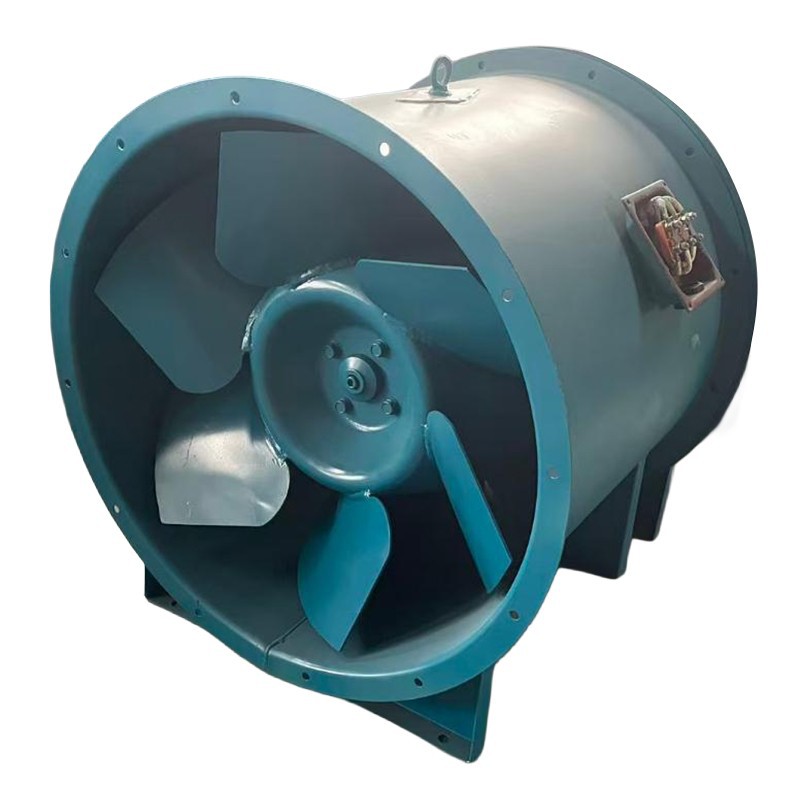
Axial Roof Fans are designed to operate at relatively low pressures. This means that they may not be suitable for auditoriums with complex ventilation requirements or where air needs to be forced through long ductwork. In such cases, a High Pressure Axial Fan or a centrifugal fan may be a better option.

Weather Sensitivity
Since Axial Roof Fans are installed on the roof, they are exposed to the elements. This can make them more susceptible to damage from extreme weather conditions, such as high winds, heavy rain, and snow. It's important to choose a fan that is designed to withstand these conditions and to ensure proper installation and maintenance.
Case Studies
To illustrate the effectiveness of Axial Roof Fans in auditorium ventilation, let's look at a few case studies.
Case Study 1: A Medium-Sized Auditorium
A medium-sized auditorium with a seating capacity of 500 people was experiencing poor air quality and high humidity levels. The existing ventilation system was outdated and inefficient. After installing a Axial Roof Fan, the air quality improved significantly. The fan was able to move a large volume of air, removing stale air and introducing fresh air into the auditorium. The humidity levels also decreased, creating a more comfortable environment for the audience.
Case Study 2: A Large Auditorium with High Occupancy
A large auditorium with a seating capacity of 2,000 people was used for concerts and other events. The auditorium had a complex ventilation system that required high pressure to distribute air evenly. After installing a High Pressure Axial Fan, the ventilation system was able to meet the high demand for air. The fan was able to provide the necessary pressure to move air through the ductwork and into the auditorium, ensuring a comfortable environment for the audience.
Conclusion
In conclusion, Axial Roof Fans can be a suitable option for ventilation in auditoriums, especially for medium-sized and large auditoriums with relatively simple ventilation requirements. They offer high air volume, energy efficiency, easy installation, and cost-effectiveness. However, it's important to consider the specific needs of your auditorium, such as air quality, noise levels, and pressure requirements, before choosing a ventilation system.
If you're considering using Axial Roof Fans for your auditorium ventilation, I encourage you to contact us for more information. Our team of experts can help you choose the right fan for your specific needs and provide you with a detailed quote. We also offer installation and maintenance services to ensure that your ventilation system operates efficiently and effectively.
References
- ASHRAE Handbook of Fundamentals
- Fan Engineering: The Application, Selection, and Testing of Fans
- Building Ventilation Design Handbook