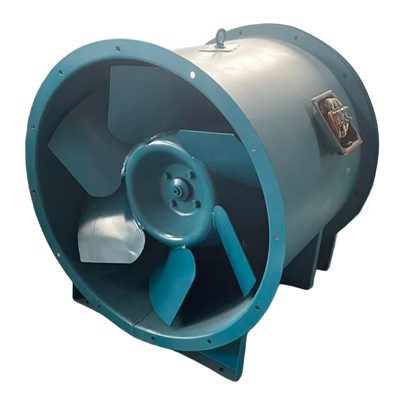
Hey there! As a supplier of Fire Smoke Exhaust Fans, I often get asked if these fans can be used in high - rise buildings. Well, let's dive right into this topic and explore the ins and outs.
First off, high - rise buildings come with their own set of challenges when it comes to fire safety. In the event of a fire, smoke can spread rapidly through stairwells, elevator shafts, and other vertical channels. This is where fire smoke exhaust fans play a crucial role. They are designed to remove smoke from the building, creating a clear path for people to evacuate and helping firefighters to carry out their operations more effectively.
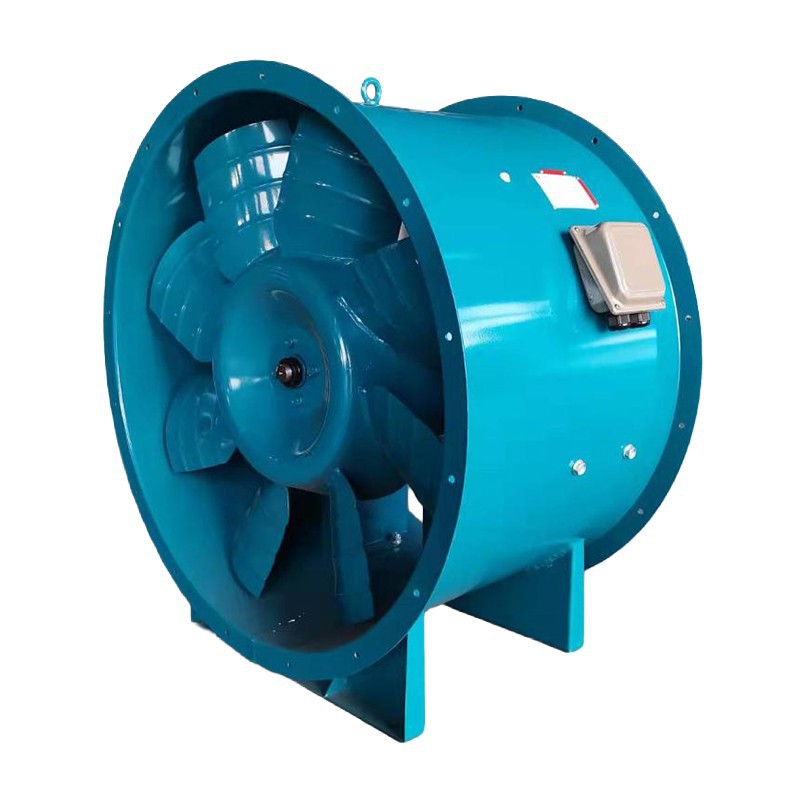

One of the key factors to consider is the size and capacity of the fan. High - rise buildings typically have large floor areas and high ceilings, which means that the fans need to be powerful enough to move a significant amount of air. For example, in a large office building with multiple floors, a single small - sized fan won't cut it. You'll need fans with high airflow rates to ensure that the smoke is quickly removed from the affected areas.
We offer a variety of fans that are suitable for high - rise buildings. Take our Stainless Steel Axial Fan. These fans are made of high - quality stainless steel, which makes them durable and resistant to corrosion. They are also designed to provide a high - volume airflow, making them ideal for large - scale applications like high - rise buildings. The stainless steel construction ensures that they can withstand the harsh conditions during a fire, such as high temperatures and smoke.
Another option is our Mixed Flow Fan. These fans combine the features of axial and centrifugal fans, offering a unique balance of high - pressure and high - volume airflow. This makes them a great choice for high - rise buildings where you need to move smoke over long distances and through complex duct systems. They are also relatively compact, which is an advantage when space is limited in a high - rise building.
Our Air Mover Axial Fan is also a popular choice. These fans are designed to quickly move large volumes of air, which is essential for clearing smoke in a hurry. They are lightweight and easy to install, making them a practical option for retrofitting existing high - rise buildings.
But it's not just about the fan itself. The installation and maintenance of fire smoke exhaust fans in high - rise buildings are also critical. The fans need to be installed in the right locations, such as near stairwells and elevator shafts, to ensure that they can effectively remove smoke from the areas where it is most likely to accumulate. Regular maintenance is also necessary to keep the fans in good working condition. This includes checking the motor, blades, and electrical connections, as well as cleaning the fans to prevent the buildup of dust and debris.
In addition to the technical aspects, there are also regulatory requirements that need to be met. High - rise buildings are subject to strict fire safety regulations, and the use of fire smoke exhaust fans must comply with these regulations. For example, the fans need to be tested and certified to meet certain standards, such as the UL (Underwriters Laboratories) standards in the United States. These standards ensure that the fans are safe and effective in removing smoke during a fire.
So, can a fire smoke exhaust fan be used in a high - rise building? The answer is a resounding yes! With the right type of fan, proper installation, and regular maintenance, fire smoke exhaust fans can significantly improve the fire safety of high - rise buildings.
If you're in charge of a high - rise building project or are looking to upgrade the fire safety systems in an existing building, I'd love to have a chat with you. Our team of experts can help you choose the right fire smoke exhaust fan for your specific needs, and we can also provide installation and maintenance services. Don't hesitate to reach out and start a conversation about how we can work together to make your high - rise building safer.
References:
- National Fire Protection Association (NFPA) standards on fire safety in high - rise buildings.
- UL (Underwriters Laboratories) standards for fire smoke exhaust fans.