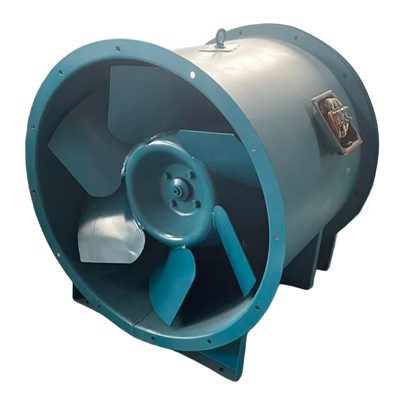
As a supplier of Axial Roof Fans, I've seen firsthand the significant impact these fans can have on an overall ventilation system. In this blog, I'll break down what an Axial Roof Fan is, how it works, and the various ways it affects ventilation.
Let's start with the basics. An Axial Roof Fan is a type of fan that's designed to be installed on the roof of a building. It gets its name from the way it moves air - the air flows parallel to the axis of the fan blades. These fans are commonly used in industrial, commercial, and even some residential settings to improve air circulation and remove stale air.
One of the biggest impacts of an Axial Roof Fan on a ventilation system is its ability to increase air movement. In a large building, especially one with limited natural ventilation, air can become stagnant. Stale air can lead to a whole host of problems, like stuffy environments, unpleasant odors, and even the growth of mold and mildew. By installing an Axial Roof Fan, you can effectively push out the old, stagnant air and bring in fresh air from outside.
The efficiency of an Axial Roof Fan is also a major factor. These fans are engineered to move a large volume of air with relatively low energy consumption. This means that you can achieve better ventilation without significantly increasing your energy bills. In today's world, where energy efficiency is a top priority for many businesses and homeowners, this is a huge advantage.
Another important aspect is the pressure that an Axial Roof Fan can generate. Some applications require a certain amount of pressure to move air through ducts or around obstacles. That's where High Pressure Axial Fan comes in. These fans are specifically designed to produce higher pressure, which allows them to overcome resistance and ensure proper air distribution throughout the ventilation system.
Axial Roof Fans also play a crucial role in temperature control. In hot climates, these fans can help remove hot air from the building, reducing the overall temperature inside. This can lead to a more comfortable working or living environment and can even reduce the load on air - conditioning systems. On the other hand, in colder climates, proper ventilation can prevent the buildup of moisture, which can cause structural damage and make the space feel damp and cold.
When it comes to noise, Axial Roof Fans have come a long way. Modern designs are much quieter than their predecessors. This is important because excessive noise can be a nuisance, especially in commercial or residential areas. A quiet - running Axial Roof Fan ensures that the ventilation system doesn't disrupt the normal activities inside the building.
In addition to their primary function of ventilation, Axial Roof Fans can also help with air quality. They can remove pollutants, such as dust, smoke, and fumes, from the building. This is particularly important in industrial settings where workers may be exposed to harmful substances. By improving air quality, these fans contribute to a healthier and safer work environment.
Now, let's talk about the installation and maintenance of Axial Roof Fans. Installation is relatively straightforward, but it's important to ensure that the fan is properly sized and installed in the right location. A professional installer can help with this process to ensure optimal performance. Maintenance is also key. Regular cleaning and inspection can extend the lifespan of the fan and keep it running efficiently.
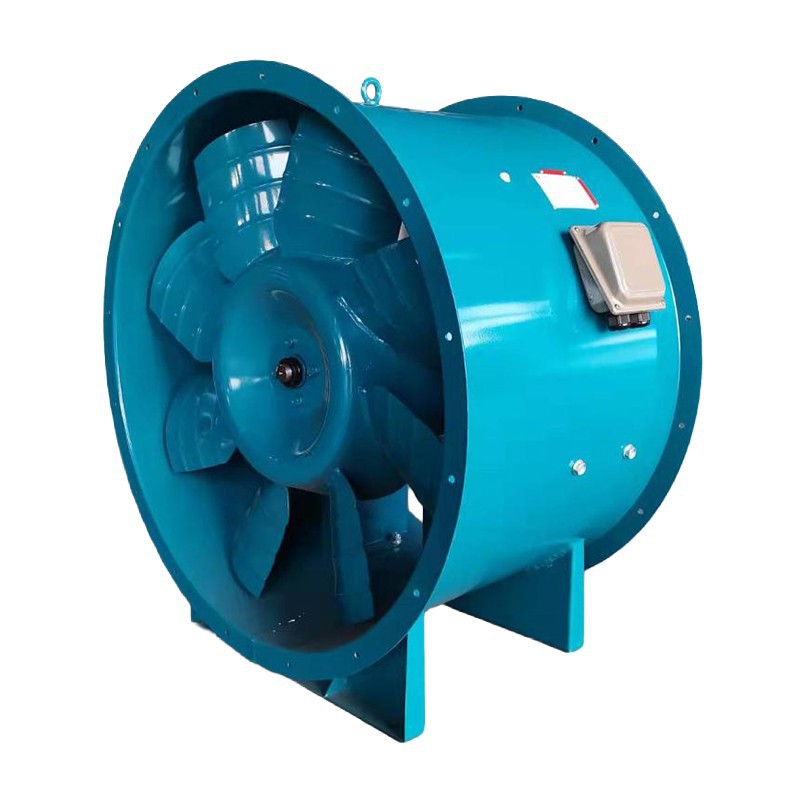
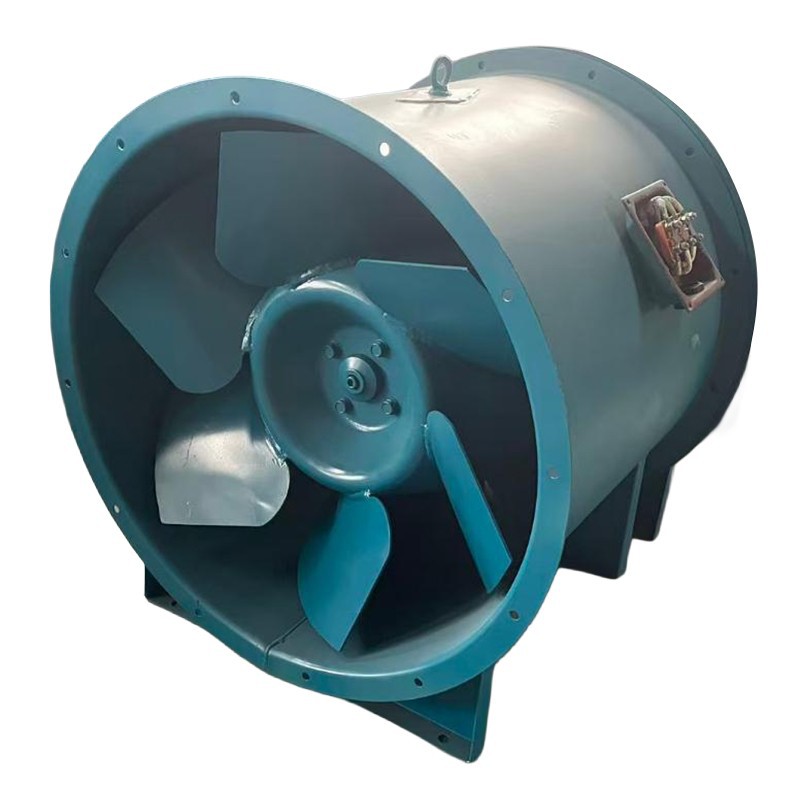
Axial Roof Fans are also versatile. They can be used in a variety of settings, from factories and warehouses to office buildings and schools. Some models are even suitable for use in harsh environments, such as chemical plants or mines. The Air Mover Axial Fan is a great example of a fan that can be used in different applications.
If you're considering improving your ventilation system, an Axial Roof Fan is definitely worth looking into. Whether you need to increase air movement, control temperature, improve air quality, or reduce energy consumption, these fans can provide a cost - effective solution.
As a supplier, I'm here to help you find the right Axial Roof Fan for your specific needs. I can offer advice on sizing, installation, and maintenance. If you're interested in learning more or want to start a procurement discussion, don't hesitate to reach out. I'm always happy to talk about how our fans can enhance your ventilation system.
In conclusion, the impact of an Axial Roof Fan on the overall ventilation system is substantial. It improves air movement, energy efficiency, temperature control, air quality, and more. With the right fan and proper installation and maintenance, you can create a healthier, more comfortable, and more efficient environment.
References
- Ventilation Handbook: A Guide to Industrial and Commercial Ventilation Systems
- Fan Engineering: Principles and Practices