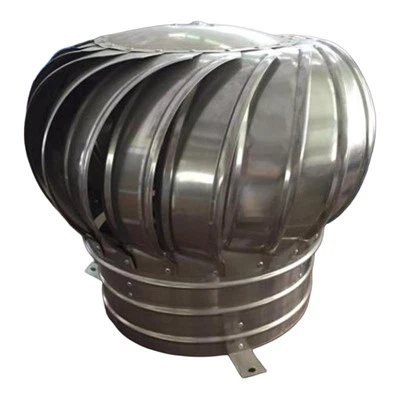
Hey there! As a supplier of Aluminium Turbo Ventilators, I've seen firsthand how these nifty devices can transform indoor air quality. In this blog, I'll break down how an Aluminium Turbo Ventilator affects the air we breathe inside our homes, offices, and other spaces.
How Aluminium Turbo Ventilators Work
Let's start with the basics. An Aluminium Turbo Ventilator is a passive ventilation system that uses wind and thermal buoyancy to operate. It's typically installed on the roof of a building. When the wind blows, it causes the turbine to spin. This spinning action creates a suction effect, pulling stale air out of the building through the ventilator.
Thermal buoyancy also plays a big role. Warm air rises, and as it does, it creates a pressure difference. The Aluminium Turbo Ventilator capitalizes on this natural phenomenon. The warm, stale air inside the building rises towards the roof and is then expelled through the spinning turbine.
Removing Stale Air
One of the most significant ways an Aluminium Turbo Ventilator affects indoor air quality is by removing stale air. Stale air can accumulate in a building over time, especially in areas with poor ventilation. It can contain a variety of pollutants, such as carbon dioxide, volatile organic compounds (VOCs), and dust.
When you breathe in stale air, it can cause a range of health problems, including headaches, fatigue, and respiratory issues. By continuously removing this stale air, the Aluminium Turbo Ventilator helps to keep the air inside the building fresh and clean.
For example, in a factory setting, there may be a lot of machinery that emits fumes and dust. Without proper ventilation, these pollutants can build up and pose a health risk to workers. An Aluminium Turbo Ventilator can effectively remove these pollutants, creating a safer and more comfortable working environment.
Controlling Humidity
Humidity is another important factor in indoor air quality. High humidity levels can lead to the growth of mold and mildew, which can cause respiratory problems and other health issues. An Aluminium Turbo Ventilator can help to control humidity by removing excess moisture from the air.
When warm, moist air rises and is expelled through the ventilator, it reduces the overall humidity inside the building. This helps to prevent the growth of mold and mildew, keeping the indoor environment healthy.
In a bathroom or kitchen, where humidity levels are often high, an Aluminium Turbo Ventilator can be particularly useful. It can quickly remove the steam and moisture generated during showering or cooking, preventing the formation of mold on the walls and ceilings.
Improving Ventilation
Proper ventilation is crucial for maintaining good indoor air quality. An Aluminium Turbo Ventilator enhances ventilation by creating a continuous flow of air in and out of the building. This helps to dilute pollutants and bring in fresh outdoor air.

In a poorly ventilated building, pollutants can become concentrated, leading to a stuffy and unpleasant environment. The Aluminium Turbo Ventilator ensures that there is a constant exchange of air, keeping the indoor air fresh and healthy.
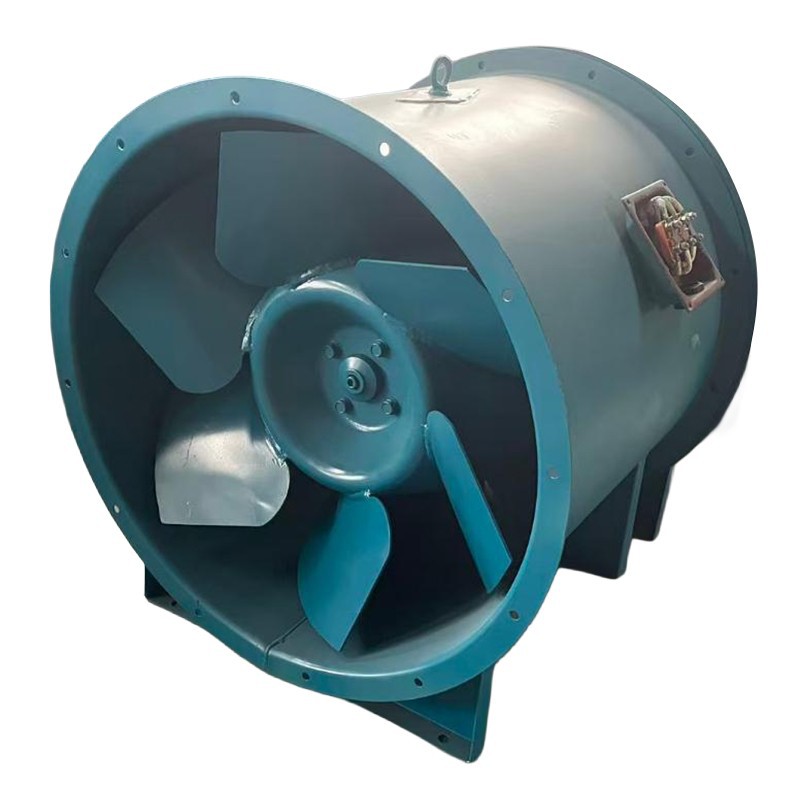
Moreover, it can work in conjunction with other ventilation systems. For instance, if you have a Mixed Flow Fan installed in your building, the Aluminium Turbo Ventilator can complement its function by providing additional ventilation and helping to expel air more efficiently.
Energy Efficiency
One of the great things about Aluminium Turbo Ventilators is that they are energy - efficient. Since they are passive systems, they don't require electricity to operate. This means that they can save you money on energy bills while still improving indoor air quality.
Compared to mechanical ventilation systems, which consume a significant amount of energy, Aluminium Turbo Ventilators offer a cost - effective solution. They are also low - maintenance, which further reduces the overall cost of ownership.
Applications in Different Settings
Aluminium Turbo Ventilators can be used in a wide range of settings. In residential buildings, they can be installed on the roof to improve the air quality in bedrooms, living rooms, and attics. They help to remove odors, moisture, and pollutants, creating a more comfortable living environment.
In commercial buildings, such as offices and shops, Aluminium Turbo Ventilators can enhance the indoor air quality for employees and customers. They can also be used in industrial settings, like warehouses and factories, to remove fumes, dust, and other pollutants generated by machinery.
For example, in a warehouse where there are large storage areas, an Aluminium Turbo Ventilator can prevent the build - up of musty odors and keep the air fresh. And in a factory with heavy machinery, it can help to remove harmful emissions and improve the working conditions for employees.
Comparing with Other Ventilation Options
There are other types of ventilation systems available, such as Fiberglass Roof Fan and High Pressure Axial Fan. While these systems have their own advantages, Aluminium Turbo Ventilators offer some unique benefits.
Fiberglass Roof Fans are often used for their durability and ability to handle high - volume air flow. However, they require electricity to operate, which can increase energy costs. High Pressure Axial Fans are great for providing high - pressure air flow, but they can be noisy and may not be as energy - efficient as Aluminium Turbo Ventilators.
Aluminium Turbo Ventilators, on the other hand, are silent in operation, energy - efficient, and require minimal maintenance. They are also easy to install, making them a popular choice for many building owners.
Conclusion
In conclusion, an Aluminium Turbo Ventilator has a significant impact on indoor air quality. It removes stale air, controls humidity, improves ventilation, and is energy - efficient. Whether you're a homeowner looking to improve the air in your living space or a business owner wanting to create a healthier work environment, an Aluminium Turbo Ventilator is a great option.
If you're interested in learning more about our Aluminium Turbo Ventilators or are considering a purchase, don't hesitate to reach out. We're here to answer any questions you may have and help you find the right ventilation solution for your needs.
References
- "Ventilation Principles and Practices" by ASHRAE
- "Indoor Air Quality Guide for Building Owners and Facility Managers" by EPA