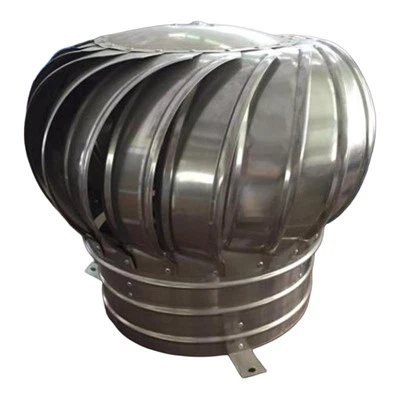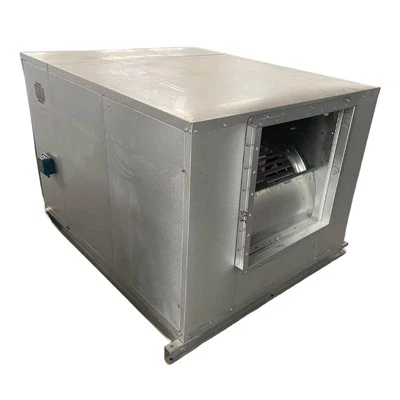
When it comes to selecting the right air mover axial fan, there are numerous factors to consider. As a seasoned supplier of Air Mover Axial Fan, I understand the importance of making an informed decision. This blog aims to guide you through the process, ensuring that you choose the most suitable axial fan for your specific needs.
Understanding the Basics of Air Mover Axial Fans
Axial fans are one of the most common types of fans used in various applications. They work by moving air parallel to the axis of the fan blades. The basic principle involves the rotation of the blades, which creates a pressure difference that drives the air flow. These fans are known for their high flow rates and are often used in applications where large volumes of air need to be moved, such as in ventilation systems, cooling towers, and industrial processes.
There are different types of axial fans, including propeller fans, tube axial fans, and vane axial fans. Propeller fans are the simplest and most common type, typically used for low-pressure applications. Tube axial fans are enclosed in a tube, which helps to direct the air flow and increase the efficiency. Vane axial fans have vanes located behind the fan blades, which straighten the air flow and reduce turbulence, resulting in higher efficiency and lower noise levels.
Factors to Consider When Choosing an Air Mover Axial Fan
1. Airflow Requirements
The first step in choosing the right air mover axial fan is to determine the required airflow. This is measured in cubic feet per minute (CFM) or cubic meters per hour (m³/h). The airflow requirement depends on the size of the space, the type of application, and the desired air exchange rate. For example, in a large industrial warehouse, a higher CFM fan will be needed to ensure proper ventilation. You can calculate the required airflow by considering the volume of the space and the number of air changes per hour.
2. Pressure Requirements
In addition to airflow, you also need to consider the pressure requirements. Pressure is measured in inches of water column (in. WC) or pascals (Pa). The pressure requirement depends on the resistance in the system, such as ductwork, filters, and grilles. A fan with a higher pressure rating is needed if there is significant resistance in the system. For example, if the air has to travel through a long and narrow duct, a fan with a higher pressure capacity will be required to overcome the resistance.
3. Efficiency
Efficiency is an important factor to consider when choosing an air mover axial fan. A more efficient fan will consume less energy, resulting in lower operating costs. The efficiency of a fan is measured by its efficiency rating, which is expressed as a percentage. A higher efficiency rating means that the fan can move more air with less power consumption. When comparing different fans, look for the ones with higher efficiency ratings to save on energy costs in the long run.
4. Noise Level
Noise level is another important consideration, especially in applications where quiet operation is required. The noise level of a fan is measured in decibels (dB). Fans with lower noise levels are more suitable for environments such as offices, hospitals, and residential areas. Some fans are designed with special features to reduce noise, such as aerodynamic blade designs and vibration isolation mounts.
5. Size and Installation
The size of the fan is also an important factor to consider. You need to ensure that the fan can fit into the available space. Additionally, consider the installation requirements. Some fans are designed for wall-mounted installation, while others are suitable for ceiling or floor mounting. Make sure that the installation method is compatible with your application and the available space.


6. Durability and Maintenance
The durability of the fan is crucial, especially in industrial applications where the fan may be exposed to harsh environments. Look for fans made of high-quality materials that can withstand corrosion, dust, and other environmental factors. Additionally, consider the maintenance requirements. Fans that are easy to clean and maintain will have a longer lifespan and lower maintenance costs.
Specific Types of Axial Fans and Their Applications
Mixed Flow Fan
Mixed Flow Fan combines the characteristics of axial and centrifugal fans. They are designed to provide a high airflow rate with a moderate pressure rise. Mixed flow fans are often used in applications where a higher pressure is required compared to a standard axial fan, such as in HVAC systems, air handling units, and some industrial processes. They are known for their compact size and high efficiency, making them a popular choice for many applications.
Explosion Proof Axial Fan
Explosion Proof Axial Fan is designed for use in hazardous environments where there is a risk of explosion. These fans are constructed with special materials and features to prevent the ignition of flammable gases or dust. They are commonly used in industries such as oil and gas, chemical, and mining. Explosion proof axial fans are required to meet strict safety standards to ensure the safety of the workers and the facility.
Making the Right Choice
Once you have considered all the factors mentioned above, you can start comparing different air mover axial fans. Look for fans that meet your specific requirements in terms of airflow, pressure, efficiency, noise level, size, and durability. You can also consult with a professional or the supplier to get more advice and recommendations.
As a supplier of air mover axial fans, we have a wide range of products to meet different needs. Our fans are designed with the latest technology and high-quality materials to ensure reliable performance and long service life. We can provide you with detailed product information and technical support to help you make the right choice.
If you are interested in our Air Mover Axial Fan products or have any questions about choosing the right fan, please feel free to contact us. We are here to assist you with your procurement and help you find the best solution for your application.
References
- Fan Engineering Handbook, American Society of Heating, Refrigerating and Air-Conditioning Engineers (ASHRAE)
- Industrial Ventilation: A Manual of Recommended Practice, American Conference of Governmental Industrial Hygienists (ACGIH)