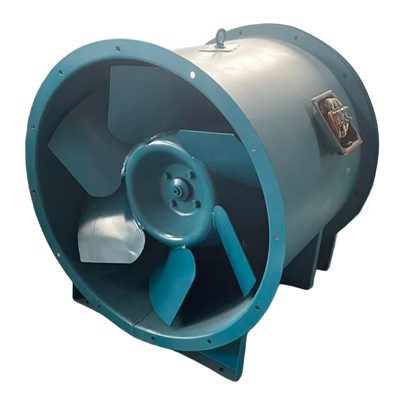
Hey there! As a supplier of centrifugal roof fans, I know how crucial it is to pick the right one, especially when noise is a big concern. No one wants a fan that sounds like a jet engine taking off, right? So, let's dive into how you can select a centrifugal roof fan with low noise.
Understanding the Basics of Centrifugal Roof Fans
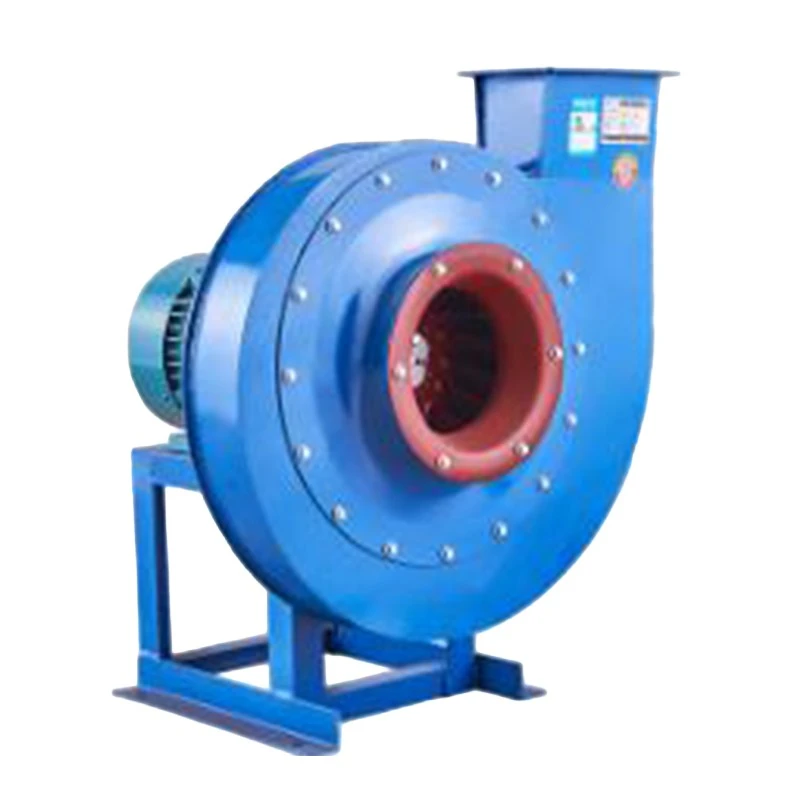
First things first, what exactly are centrifugal roof fans? These fans work by using centrifugal force to move air. They're commonly used in various industrial and commercial settings to exhaust hot air, fumes, and moisture from buildings. There are different types, like Duct Centrifugal Fan, Forward Curved Centrifugal Fan, and Centrifugal Blower for Dust Collector. Each type has its own characteristics and is suitable for different applications.
Why Low Noise Matters
Noise can be a real nuisance, both for the people working in the building and for those living or working nearby. Excessive noise can lead to stress, reduced productivity, and even hearing problems over time. That's why it's essential to choose a low - noise centrifugal roof fan. Not only will it create a more comfortable environment, but it may also help you comply with local noise regulations.
Factors to Consider When Selecting a Low - Noise Centrifugal Roof Fan
1. Fan Design
The design of the fan plays a huge role in determining its noise level. Fans with aerodynamically designed blades tend to produce less noise. These blades are shaped in a way that allows air to flow smoothly, reducing turbulence and the associated noise. For example, some fans have backward - curved blades which are more efficient and quieter compared to other blade designs.
2. Motor Quality
The motor is the heart of the fan. A high - quality motor will run more smoothly and quietly. Look for motors with low vibration levels. Vibration can cause a lot of noise, so motors with good vibration isolation features are a great choice. Also, consider the motor's power rating. An oversized motor can be noisy and waste energy, while an undersized motor may struggle to perform, leading to increased noise as it tries to meet the demand.
3. Fan Size
The size of the fan is another important factor. A fan that is too small for the space may have to work harder to move the required amount of air, resulting in increased noise. On the other hand, an overly large fan can also be noisy and may be inefficient. You need to calculate the right size based on the volume of air you need to move and the static pressure requirements of your system.

4. Installation
Proper installation is key to reducing noise. Make sure the fan is installed on a stable and vibration - dampening surface. If the fan is mounted directly on a hard surface without any isolation, it can transmit vibrations and increase noise. Use rubber mounts or other vibration - absorbing materials to minimize the transfer of vibrations. Also, ensure that the ductwork is properly connected and sealed. Leaky ducts can cause air turbulence and noise.
5. Maintenance
Regular maintenance can keep your fan running quietly. Clean the blades regularly to remove dust and debris, as a dirty fan can be noisier. Check the bearings and lubricate them if necessary. Worn - out bearings can cause a lot of noise and may even lead to fan failure.
Testing and Evaluation
Before making a purchase, it's a good idea to test the fan if possible. Many manufacturers offer test facilities where you can see and hear the fan in operation. Pay attention to the noise level at different speeds. Some fans may be quiet at low speeds but become noisy as the speed increases. You can also look for fans with noise ratings. These ratings are usually given in decibels (dB) and can help you compare different models.
Real - World Examples
Let's say you're running a small office building. You need a centrifugal roof fan to exhaust stale air. You choose a Forward Curved Centrifugal Fan because it's known for its relatively low noise and good air - moving capabilities. By ensuring proper installation and regular maintenance, you can keep the noise level to a minimum, creating a comfortable working environment for your employees.
Cost - Benefit Analysis
When selecting a low - noise centrifugal roof fan, you need to consider the cost. Low - noise fans may be more expensive upfront, but they can save you money in the long run. They're often more energy - efficient, which means lower electricity bills. Also, they can reduce the need for additional noise - reduction measures, such as soundproofing.
Making the Right Choice
In conclusion, selecting a low - noise centrifugal roof fan requires careful consideration of several factors. Look at the fan design, motor quality, size, installation, and maintenance requirements. Don't forget to test the fan and compare noise ratings. By doing so, you can find a fan that meets your needs and keeps the noise level under control.
If you're in the market for a centrifugal roof fan and want to discuss your options, feel free to reach out. We're here to help you make the best choice for your specific situation. Whether it's a Duct Centrifugal Fan, Forward Curved Centrifugal Fan, or Centrifugal Blower for Dust Collector, we've got you covered.
References
- ASHRAE Handbook of Fundamentals
- Fan Manufacturer's Technical Guides