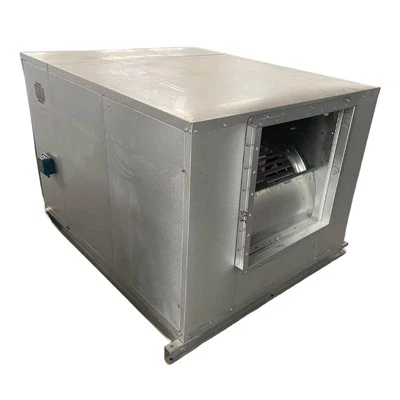
As a supplier of Centrifugal Roof Fans, I've witnessed firsthand the transformative power these devices hold in the realm of building ventilation. In this blog, I'll delve into the impact of a centrifugal roof fan on a building's structure, exploring both the positive and negative aspects to provide a comprehensive understanding for building owners, architects, and facility managers.
Positive Impacts of Centrifugal Roof Fans on Building Structure
1. Ventilation and Air Quality
One of the most significant benefits of a centrifugal roof fan is its ability to improve indoor air quality. By expelling stale air and drawing in fresh air, these fans help to remove pollutants, odors, and excess moisture from the building. This not only creates a healthier and more comfortable environment for occupants but also helps to prevent the growth of mold and mildew, which can damage the building's structure over time.


For example, in industrial settings where chemicals and fumes are present, a centrifugal roof fan can effectively remove these harmful substances from the air, reducing the risk of corrosion and damage to the building's interior. Similarly, in commercial buildings such as offices and retail stores, proper ventilation can improve the overall air quality, leading to increased productivity and reduced absenteeism among employees.
2. Temperature Regulation
Centrifugal roof fans can also play a crucial role in temperature regulation within a building. By exhausting hot air from the upper levels of the building, these fans help to reduce the overall temperature, making the interior more comfortable for occupants. This can be particularly beneficial in hot climates or during the summer months when air conditioning systems may be overworked.
In addition to providing immediate relief from heat, proper ventilation can also help to reduce the load on air conditioning systems, resulting in energy savings and lower utility bills. By using a centrifugal roof fan to supplement the cooling system, building owners can achieve a more efficient and cost-effective way to maintain a comfortable indoor temperature.
3. Structural Integrity
Another important benefit of a centrifugal roof fan is its ability to improve the structural integrity of the building. By removing excess moisture from the air, these fans help to prevent the growth of mold and mildew, which can weaken the building's structure over time. Additionally, proper ventilation can help to reduce the risk of condensation, which can lead to rust and corrosion of metal components in the building.
In industrial settings, where heavy machinery and equipment generate a significant amount of heat and moisture, a centrifugal roof fan can help to protect the building's structure from damage. By providing a constant flow of fresh air, these fans can prevent the buildup of heat and moisture, reducing the risk of structural damage and extending the lifespan of the building.
Negative Impacts of Centrifugal Roof Fans on Building Structure
1. Noise Pollution
One of the main drawbacks of a centrifugal roof fan is the noise it can generate. These fans typically operate at high speeds, which can produce a significant amount of noise, especially in close proximity to the fan. This can be a problem for building occupants, particularly in residential or office settings where noise can be a distraction.
To minimize the impact of noise pollution, it's important to choose a centrifugal roof fan that is designed to operate quietly. Look for fans that are equipped with noise-reducing features such as sound insulation and vibration dampening. Additionally, consider installing the fan in a location that is away from areas where noise may be a problem, such as bedrooms or offices.
2. Structural Stress
Another potential issue with centrifugal roof fans is the structural stress they can place on the building. These fans are typically mounted on the roof of the building, which can create additional weight and stress on the roof structure. Over time, this can lead to structural damage, such as cracks or sagging in the roof.
To minimize the impact of structural stress, it's important to ensure that the roof is properly designed and constructed to support the weight of the fan. Additionally, consider using a fan that is lightweight and designed to minimize the amount of stress placed on the roof.
3. Maintenance Requirements
Centrifugal roof fans require regular maintenance to ensure optimal performance and longevity. This includes cleaning the fan blades, lubricating the bearings, and inspecting the motor and electrical components. Failure to perform regular maintenance can lead to reduced performance, increased energy consumption, and even premature failure of the fan.
To minimize the maintenance requirements of a centrifugal roof fan, choose a fan that is designed for easy maintenance. Look for fans that have accessible components and are easy to clean. Additionally, consider using a maintenance service to perform regular inspections and maintenance on the fan.
Choosing the Right Centrifugal Roof Fan
When choosing a centrifugal roof fan, it's important to consider a number of factors, including the size and type of the building, the ventilation requirements, and the budget. Here are some tips to help you choose the right fan for your needs:
1. Determine the Ventilation Requirements
The first step in choosing a centrifugal roof fan is to determine the ventilation requirements of the building. This includes the size of the building, the number of occupants, and the type of activities that take place in the building. Based on these factors, you can calculate the required airflow rate and choose a fan that is capable of providing the necessary ventilation.
2. Consider the Noise Level
As mentioned earlier, noise pollution can be a significant issue with centrifugal roof fans. When choosing a fan, look for models that are designed to operate quietly. Consider using a fan that is equipped with noise-reducing features such as sound insulation and vibration dampening.
3. Evaluate the Energy Efficiency
Centrifugal roof fans can consume a significant amount of energy, especially if they are operated continuously. To minimize energy consumption and reduce operating costs, choose a fan that is energy-efficient. Look for fans that are equipped with high-efficiency motors and variable speed controls.
4. Choose a Reliable Manufacturer
When choosing a centrifugal roof fan, it's important to choose a reliable manufacturer. Look for manufacturers that have a proven track record of producing high-quality fans and providing excellent customer service. Additionally, consider reading customer reviews and testimonials to get an idea of the manufacturer's reputation.
Conclusion
In conclusion, a centrifugal roof fan can have a significant impact on the structure of a building. By improving ventilation, air quality, and temperature regulation, these fans can help to create a healthier and more comfortable environment for occupants. However, it's important to be aware of the potential negative impacts of these fans, such as noise pollution, structural stress, and maintenance requirements.
As a supplier of Centrifugal Roof Fans, I'm committed to providing high-quality products and excellent customer service. If you're interested in learning more about our products or have any questions about the impact of a centrifugal roof fan on your building's structure, please don't hesitate to [contact us for a consultation]. We'll be happy to help you choose the right fan for your needs and provide you with the information and support you need to make an informed decision.
References
- ASHRAE Handbook of Fundamentals. American Society of Heating, Refrigerating and Air-Conditioning Engineers.
- Building Ventilation Design Guide. National Building Code of Canada.
- Ventilation for Acceptable Indoor Air Quality. ASHRAE Standard 62.1.
For more information on our products, you can visit the following links: