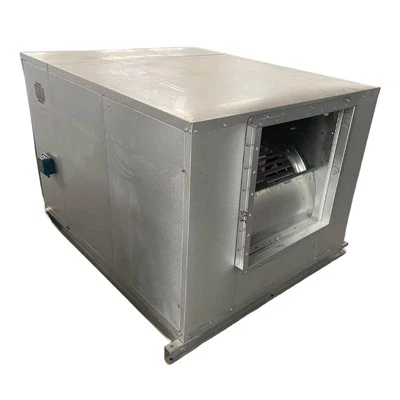
Hey there! I'm a supplier of Mixed Flow Fans, and I know how tricky it can be to pick the right one. In this blog, I'll share some tips and insights to help you make an informed decision.
Understanding Mixed Flow Fans
First off, let's talk about what mixed flow fans are. They're a type of fan that combines the features of axial and centrifugal fans. Axial fans move air parallel to the fan axis, while centrifugal fans move air perpendicular to the axis. Mixed flow fans do a bit of both, which gives them some unique advantages.
They're great for applications where you need a balance between high pressure and high flow rate. For example, in ventilation systems for large buildings, industrial processes, or even in some automotive applications.
Factors to Consider When Choosing a Mixed Flow Fan
1. Airflow Requirements
The first thing you need to figure out is how much air you need to move. This is measured in cubic feet per minute (CFM) or cubic meters per hour (m³/h). Think about the size of the space you're ventilating and the rate at which you need to exchange the air. If you're ventilating a small room, you won't need as much airflow as you would for a large warehouse.
2. Pressure Requirements
Along with airflow, you also need to consider the pressure the fan needs to generate. Pressure is measured in inches of water column (in. WC) or pascals (Pa). Some applications, like duct systems with long runs or multiple bends, require a fan that can generate higher pressure to push the air through.
3. Efficiency
Efficiency is crucial, especially if you're running the fan for long periods. A more efficient fan will use less energy, which can save you money on your electricity bills in the long run. Look for fans with a high efficiency rating, and consider the fan's motor type and design.
4. Noise Level
If the fan is going to be in a quiet environment, like an office or a residential area, noise level is an important factor. Fans with a lower noise level will be less disruptive. You can usually find the noise level specifications in the fan's product documentation, measured in decibels (dB).
5. Size and Space Constraints
Make sure the fan you choose will fit in the available space. Consider the physical dimensions of the fan, including its diameter, length, and height. You also need to think about the installation requirements, such as whether it needs to be mounted on a wall, ceiling, or floor.
6. Material and Construction
The materials used in the fan's construction can affect its durability and performance. Look for fans made from high-quality materials that can withstand the conditions of your application. For example, if the fan will be exposed to moisture or chemicals, you'll want a fan with a corrosion-resistant finish.

Comparing Mixed Flow Fans with Other Types of Fans
It's also a good idea to compare mixed flow fans with other types of fans to see which one is the best fit for your needs.
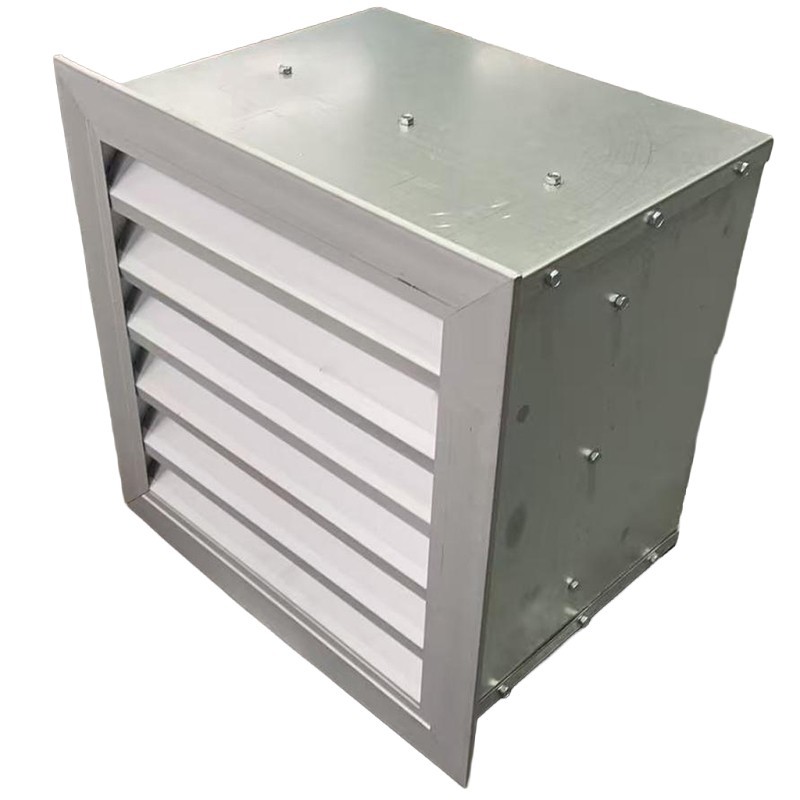
- Square Axial Fan: Axial fans are known for their high flow rate but relatively low pressure. They're great for applications where you need to move a large volume of air quickly, like in an open space or a simple ventilation system. However, if you need more pressure, a mixed flow fan might be a better choice.
- Aluminium Turbo Ventilator: Turbo ventilators are often used for natural ventilation. They rely on wind and thermal forces to create airflow. While they can be energy-efficient, they may not provide as much control over the airflow as a mechanical fan like a mixed flow fan.
- Duct Axial Fan: Duct axial fans are designed to be installed in duct systems. They can generate higher pressure than standard axial fans but may not have the same balance of airflow and pressure as a mixed flow fan.
Our Mixed Flow Fans
As a supplier of mixed flow fans, we offer a wide range of products to meet different needs. Our fans are designed with high-quality materials and advanced technology to ensure efficient and reliable performance.
We have fans with different airflow and pressure ratings, so you can find the right one for your application. Whether you need a fan for a small-scale project or a large industrial installation, we've got you covered.
How to Contact Us
If you're interested in learning more about our mixed flow fans or have any questions about choosing the right one for your needs, don't hesitate to get in touch. We're here to help you make the best decision and provide you with the best products and service.
References
- Fan Engineering Handbook
- ASHRAE (American Society of Heating, Refrigerating and Air-Conditioning Engineers) Standards