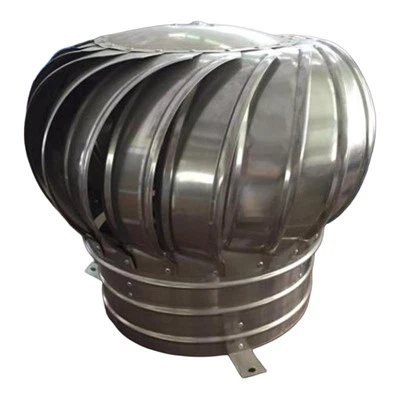
As a supplier of Atex Axial Fans, ensuring that these fans are working properly is of utmost importance. Atex Axial Fans are designed to operate in potentially explosive atmospheres, and any malfunction can pose significant risks. In this blog, I will share some key steps and methods to check if an Atex Axial Fan is working properly.
Visual Inspection
The first step in checking the proper functioning of an Atex Axial Fan is a visual inspection. Start by examining the fan's exterior for any signs of damage, such as cracks, dents, or loose parts. Check the fan blades for any signs of wear or damage, as damaged blades can affect the fan's performance. Ensure that the fan housing is securely attached and that there are no gaps or openings that could allow the entry of explosive gases.
Inspect the electrical connections of the fan. Look for any loose wires, frayed cables, or signs of overheating. Loose connections can cause electrical problems and may lead to the fan malfunctioning. Make sure that the power supply to the fan is stable and that the fan is receiving the correct voltage.
Performance Testing
Once the visual inspection is complete, it's time to perform some performance tests on the Atex Axial Fan. One of the most important performance indicators is the airflow rate. You can use an anemometer to measure the airflow at the outlet of the fan. Compare the measured airflow rate with the manufacturer's specifications. If the airflow rate is significantly lower than the specified value, it could indicate a problem with the fan, such as a blocked air intake or a malfunctioning motor.
Another important performance parameter is the pressure differential across the fan. You can use a manometer to measure the pressure difference between the inlet and outlet of the fan. A significant deviation from the expected pressure differential could indicate a problem with the fan's impeller or a blockage in the ductwork.
Noise and Vibration Analysis
Noise and vibration can be indicators of a problem with the Atex Axial Fan. Excessive noise or vibration can be caused by a variety of factors, such as unbalanced fan blades, worn bearings, or a misaligned motor. Listen to the fan while it is running and note any unusual noises. You can also use a vibration meter to measure the vibration levels of the fan. If the vibration levels are higher than normal, it could indicate a problem that needs to be addressed.
Motor and Electrical System Checks
The motor is the heart of the Atex Axial Fan, and it is essential to ensure that it is functioning properly. Check the motor's temperature while it is running. If the motor is overheating, it could be a sign of a problem, such as a faulty motor winding or a lack of lubrication. You can use an infrared thermometer to measure the motor's temperature.
Inspect the motor's electrical components, such as the capacitors and relays. Look for any signs of damage or overheating. Test the motor's electrical resistance using a multimeter. If the resistance values are outside the normal range, it could indicate a problem with the motor.


Maintenance and Cleaning
Regular maintenance and cleaning are essential for the proper functioning of Atex Axial Fans. Clean the fan blades and the fan housing regularly to remove any dust, dirt, or debris that could accumulate and affect the fan's performance. Check the fan's lubrication levels and add lubricant if necessary. Replace any worn or damaged parts, such as bearings or belts, as soon as possible.
Safety Considerations
When working with Atex Axial Fans, it is important to follow all safety procedures. Make sure that the fan is properly grounded to prevent electrical shocks. Wear appropriate personal protective equipment, such as safety glasses and gloves, when performing any maintenance or inspection tasks. If you are not familiar with the proper procedures for working with Atex Axial Fans, it is recommended that you consult a professional.
Conclusion
Checking if an Atex Axial Fan is working properly is a crucial task that requires careful attention to detail. By following the steps outlined in this blog, you can ensure that your Atex Axial Fan is operating safely and efficiently. If you have any questions or need further assistance, please feel free to contact us. We are a leading supplier of Atex Axial Fans and can provide you with the products and support you need.
If you are interested in our Fire Smoke Exhaust Fan, Wall Axial Fan, or Explosion Proof Axial Fan, please contact us to discuss your specific requirements. We look forward to working with you.
References
- Manufacturer's manuals for Atex Axial Fans
- Industry standards and guidelines for fan testing and maintenance