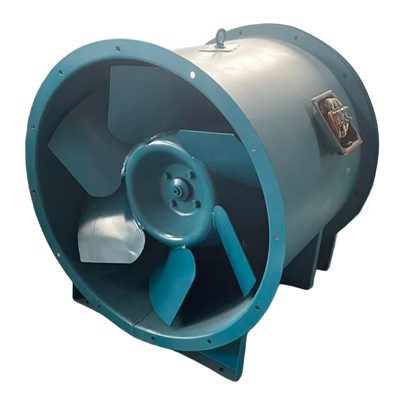
Can a quiet centrifugal fan be used in a music room? Well, that's a question I get a lot as a supplier of Quiet Centrifugal Fan. And let me tell you, it's not a straightforward answer. There are a bunch of factors to consider, so let's dig in and explore this topic in detail.
First off, what makes a music room special? It's a space where sound quality is king. Musicians, whether they're practicing, recording, or just enjoying a private jam session, need an environment where the sound is clear, free from distractions, and properly tuned. Any unwanted noise can mess up the whole experience. That's why acoustics are super important in a music room.
Now, let's talk about centrifugal fans. Centrifugal fans are designed to move air by changing the direction of the airflow. They work by sucking air in through the center and pushing it out at a right angle through the side. These fans are commonly used in a variety of applications, from industrial settings to home ventilation. What makes a quiet centrifugal fan different is that it's built with noise reduction in mind. It uses advanced technology and special materials to minimize the sound it makes while still moving air effectively.
So, can you use a quiet centrifugal fan in a music room? The short answer is yes, but there are some things to watch out for.
Noise Level
The most obvious concern when using any fan in a music room is the noise it produces. Even a so - called "quiet" fan can still be a nuisance if its noise level is not carefully considered. A quiet centrifugal fan should operate at a low decibel level. Most high - quality quiet centrifugal fans can run at around 30 - 40 decibels, which is about as quiet as a library. This level of noise is unlikely to interfere with most musical activities. However, you need to test the fan in the actual music room before committing to it. Place the fan in the room and play some music at a normal volume. Walk around the room and see if you can hear the fan over the music. If it's barely noticeable, then it's a good sign.
Airflow and Ventilation
Another important aspect is the airflow. In a music room, proper ventilation is crucial. It helps to keep the air fresh, reduces humidity, and prevents the buildup of odors. A quiet centrifugal fan can provide a steady stream of fresh air, which is beneficial for both the musicians and the musical instruments. For example, high humidity can damage wooden instruments, causing them to warp or crack. By maintaining a proper airflow, the fan can help to control the humidity levels in the room.
But you need to make sure that the airflow is not too strong or too weak. Too strong of an airflow can create a wind noise, which is definitely not wanted in a music room. And too weak of an airflow won't do much for ventilation. You'll need to choose a fan with an adjustable airflow setting, so you can fine - tune it to meet the specific needs of your music room.
Installation Location
Where you install the fan also matters a great deal. You don't want to place the fan in a location where it will generate echoes or vibrations that can interfere with the sound in the room. For example, placing the fan directly on a hard, flat surface can cause vibrations to travel through the floor or walls and create additional noise. Instead, consider using vibration - isolating mounts or pads when installing the fan.
Also, think about the direction of the airflow. You want the air to circulate in a way that doesn't create drafts directly on the musicians or their instruments. A wall - mounted location can be a good option as it can provide a more even distribution of air, and you can adjust the angle of the airflow. Check out our Wall Mounted Centrifugal Fan for a suitable option.
Compatibility with Acoustic Treatments
Music rooms usually have acoustic treatments such as acoustic panels on the walls and ceilings. These treatments are designed to absorb sound and improve the overall acoustics of the room. When installing a quiet centrifugal fan, you need to make sure that it doesn't disrupt these acoustic treatments. For example, if the fan is placed too close to an acoustic panel, it can create turbulence in the air that affects the panel's ability to absorb sound. You may need to consult with an acoustic engineer to determine the best location for the fan in relation to the acoustic treatments in your music room.
Maintenance and Long - Term Use
A good quiet centrifugal fan should be easy to maintain. You'll need to clean the fan regularly to ensure that it continues to operate quietly and efficiently. Dust and debris can build up on the fan blades and in the motor, which can increase the noise level and reduce the fan's performance. Also, make sure to use high - quality lubricants for the moving parts and check for any signs of wear and tear.
In the long - term, choosing a reliable and durable fan is essential. You don't want to replace the fan every few months. Look for a fan from a reputable manufacturer that offers a good warranty.

Other Considerations
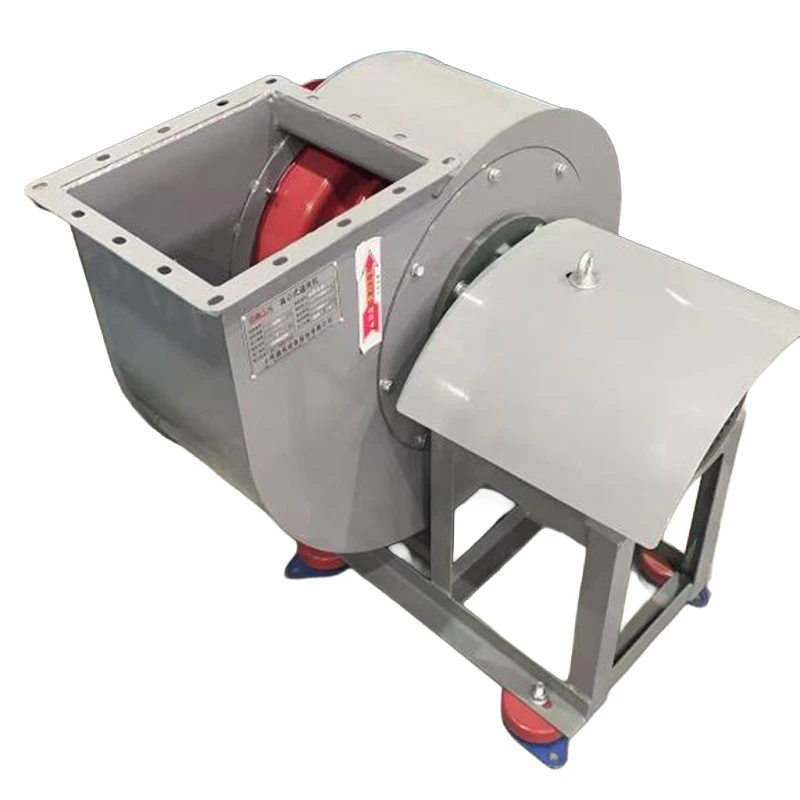
In some cases, if you have a dust - generating musical instrument like a percussion set, you might also want to consider a fan that can help with dust collection. Our Centrifugal Blower for Dust Collector can be a good addition to your music room setup. It can not only provide ventilation but also help to keep the dust down, which is good for the air quality and the longevity of your instruments.
So, to sum it all up, a quiet centrifugal fan can definitely be used in a music room. But it's all about making the right choices. You need to consider the noise level, airflow, installation location, compatibility with acoustic treatments, maintenance, and any additional needs like dust collection.
If you're interested in purchasing a quiet centrifugal fan for your music room, or have any questions about our products, feel free to reach out. We're here to help you find the perfect solution for your specific needs. Whether you're a professional musician or just starting out, we can offer you the best advice and high - quality products.
References
- Some general knowledge from the field of ventilation and acoustics.
- Product specifications and research from the development of quiet centrifugal fans.