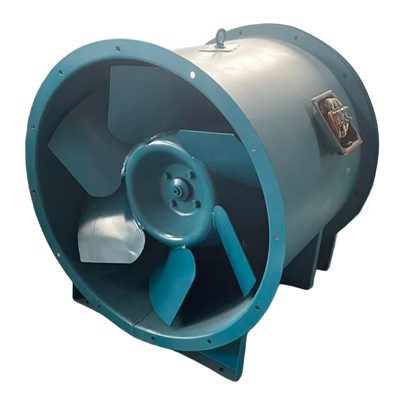
As a supplier of Aerofoil Axial Flow Fans, ensuring the proper alignment of these fans is crucial for their optimal performance and longevity. In this blog, I will share some insights and practical tips on how to achieve and maintain the correct alignment of Aerofoil Axial Flow Fans.
Understanding the Importance of Alignment
Proper alignment of an Aerofoil Axial Flow Fan is essential for several reasons. First and foremost, it ensures efficient operation. When the fan is correctly aligned, the air flow is smooth and consistent, which maximizes the fan's performance and reduces energy consumption. Misalignment can cause uneven air distribution, leading to decreased efficiency and increased power requirements.
Secondly, alignment helps to reduce wear and tear on the fan components. When the fan is misaligned, there is increased stress on the bearings, shafts, and blades. This can lead to premature failure of these components, resulting in costly repairs and downtime. By maintaining proper alignment, the lifespan of the fan can be significantly extended.
Finally, proper alignment is important for safety. A misaligned fan can cause vibrations, which can lead to structural damage and pose a safety hazard. Ensuring that the fan is correctly aligned helps to minimize these risks and ensures a safe working environment.
Factors Affecting Alignment
Several factors can affect the alignment of an Aerofoil Axial Flow Fan. These include:
- Installation: The way the fan is installed can have a significant impact on its alignment. It is important to follow the manufacturer's installation instructions carefully to ensure that the fan is installed correctly. This includes ensuring that the fan is level, the mounting bolts are tightened to the correct torque, and the fan is properly connected to the ductwork.
- Foundation: The foundation on which the fan is installed must be stable and level. Any unevenness in the foundation can cause the fan to be misaligned. It is important to check the foundation before installing the fan and make any necessary adjustments.
- Ductwork: The ductwork connected to the fan must be properly aligned. Any bends, kinks, or obstructions in the ductwork can cause uneven air flow and misalignment of the fan. It is important to ensure that the ductwork is straight and free of any obstructions.
- Vibrations: Vibrations from other equipment or machinery can cause the fan to be misaligned. It is important to isolate the fan from any sources of vibrations to ensure its proper alignment.
Methods for Ensuring Alignment
There are several methods that can be used to ensure the proper alignment of an Aerofoil Axial Flow Fan. These include:
- Visual Inspection: A visual inspection of the fan can provide valuable information about its alignment. Look for any signs of misalignment, such as uneven gaps between the fan blades and the housing, or excessive vibrations. If any issues are detected, they should be addressed immediately.
- Laser Alignment: Laser alignment is a precise and accurate method for ensuring the alignment of the fan. A laser alignment tool is used to measure the alignment of the fan shafts and ensure that they are parallel and in line. This method is particularly useful for large fans or fans that require high levels of precision.
- Dial Indicator: A dial indicator can be used to measure the alignment of the fan shafts. The dial indicator is placed on the fan shaft and measures the amount of movement as the shaft rotates. This method is less precise than laser alignment but can still provide useful information about the alignment of the fan.
- Soft Foot Correction: Soft foot is a common problem that can cause misalignment of the fan. Soft foot occurs when the fan is not sitting evenly on its foundation, causing uneven stress on the mounting bolts. Soft foot can be corrected by using shims or other methods to ensure that the fan is sitting evenly on its foundation.
Maintenance and Monitoring
Once the fan is properly aligned, it is important to maintain and monitor its alignment regularly. This includes:
- Regular Inspections: Regular inspections of the fan should be conducted to check for any signs of misalignment. This can include visual inspections, as well as using tools such as laser alignment or dial indicators.
- Vibration Analysis: Vibration analysis can be used to monitor the alignment of the fan. By measuring the vibrations of the fan, any changes in alignment can be detected early and addressed before they cause significant damage.
- Lubrication: Proper lubrication of the fan bearings is essential for their smooth operation and alignment. It is important to follow the manufacturer's recommendations for lubrication and to ensure that the bearings are properly lubricated at all times.
- Cleaning: Regular cleaning of the fan and its components is important to prevent the buildup of dirt and debris, which can cause misalignment and other problems.
Conclusion
Ensuring the proper alignment of an Aerofoil Axial Flow Fan is essential for its optimal performance, longevity, and safety. By understanding the importance of alignment, the factors that can affect it, and the methods for ensuring it, you can ensure that your fans are operating at their best. Regular maintenance and monitoring are also important to ensure that the alignment is maintained over time.


If you are in the market for an Aerofoil Axial Flow Fan or other ventilation products, we invite you to explore our range of Wall Axial Fan, Aluminium Turbo Ventilator, and Axial Roof Fan. Our team of experts is available to assist you with any questions or concerns you may have and to help you find the right ventilation solution for your needs. Contact us today to start the procurement process and discuss your requirements.
References
- "Axial Flow Fans: Design and Application," by R. J. Brown
- "Fan Engineering: The Application of Air Moving Equipment," by Buffalo Forge Company
- "Industrial Ventilation: A Manual of Recommended Practice," by American Conference of Governmental Industrial Hygienists