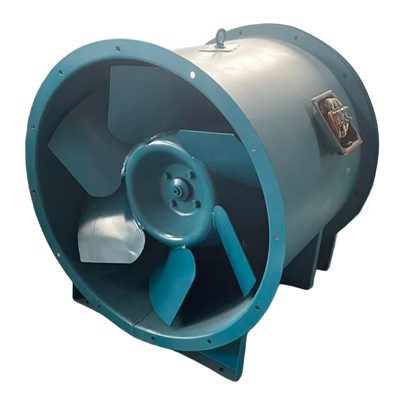
Hey there! As a supplier of fiberglass roof fans, I often get asked about the material quality of these fans. So, I thought I'd take a moment to break it down for you.
First off, let's talk about fiberglass. Fiberglass is a composite material made up of fine glass fibers embedded in a resin matrix. It's known for its strength, durability, and resistance to corrosion and weathering. These properties make it an ideal material for roof fans, which are exposed to the elements 24/7.
One of the key benefits of fiberglass is its high strength-to-weight ratio. This means that fiberglass roof fans are lightweight yet strong enough to withstand the rigors of outdoor use. They're also less likely to warp or crack under extreme temperatures, which is a common problem with other materials like metal or plastic.
Another advantage of fiberglass is its resistance to corrosion. Unlike metal fans, which can rust and deteriorate over time, fiberglass fans are highly resistant to rust and other forms of corrosion. This makes them a great choice for coastal areas or other environments where corrosion is a concern.
In addition to its strength and corrosion resistance, fiberglass is also a very versatile material. It can be molded into a variety of shapes and sizes, which allows for greater design flexibility. This means that fiberglass roof fans can be customized to meet the specific needs of your application.
Now, let's take a closer look at the specific components of a fiberglass roof fan and how they contribute to its overall material quality.
Fan Blades
The fan blades are one of the most important components of a roof fan. They're responsible for moving air through the fan and creating the ventilation effect. Fiberglass fan blades are typically made from a high-strength fiberglass composite material that's designed to be lightweight and aerodynamic.
One of the key benefits of fiberglass fan blades is their ability to withstand high speeds and extreme temperatures. They're also less likely to break or crack under stress, which makes them a more reliable choice than other materials like metal or plastic.
Motor
The motor is another critical component of a roof fan. It's responsible for powering the fan blades and creating the airflow. Fiberglass roof fans typically use high-quality motors that are designed to be energy-efficient and reliable.
One of the key benefits of using a fiberglass motor housing is its ability to protect the motor from the elements. Fiberglass is a non-conductive material, which means that it won't conduct electricity or heat. This helps to prevent the motor from overheating and extends its lifespan.


Housing
The housing is the outer shell of the roof fan. It's responsible for protecting the internal components of the fan from the elements and providing a mounting surface for the fan. Fiberglass housings are typically made from a high-strength fiberglass composite material that's designed to be durable and weather-resistant.
One of the key benefits of using a fiberglass housing is its ability to resist corrosion and UV damage. Fiberglass is a non-porous material, which means that it won't absorb moisture or other contaminants. This helps to prevent the housing from rusting or deteriorating over time.
Installation
Proper installation is essential for ensuring the long-term performance and reliability of a fiberglass roof fan. When installing a fiberglass roof fan, it's important to follow the manufacturer's instructions carefully and use the appropriate tools and materials.
One of the key benefits of using a fiberglass roof fan is its ease of installation. Fiberglass fans are typically lightweight and easy to handle, which makes them a great choice for DIY installation. They also come with detailed installation instructions and all the necessary hardware, which makes the installation process quick and easy.
Maintenance
Regular maintenance is essential for ensuring the long-term performance and reliability of a fiberglass roof fan. When maintaining a fiberglass roof fan, it's important to follow the manufacturer's instructions carefully and use the appropriate tools and materials.
One of the key benefits of using a fiberglass roof fan is its low maintenance requirements. Fiberglass fans are typically resistant to corrosion and UV damage, which means that they don't require frequent painting or other forms of maintenance. They also come with a limited warranty, which provides peace of mind and protection against defects.
Applications
Fiberglass roof fans are used in a variety of applications, including residential, commercial, and industrial settings. They're commonly used to provide ventilation in attics, garages, workshops, and other areas where air circulation is needed.
One of the key benefits of using a fiberglass roof fan is its versatility. Fiberglass fans can be customized to meet the specific needs of your application, which makes them a great choice for a wide range of applications. They're also available in a variety of sizes and styles, which allows you to choose the fan that's right for your needs.
Conclusion
In conclusion, the material quality of a fiberglass roof fan is excellent. Fiberglass is a strong, durable, and corrosion-resistant material that's ideal for outdoor use. It's also lightweight, versatile, and easy to install and maintain.
If you're in the market for a new roof fan, I highly recommend considering a fiberglass roof fan. They offer a number of benefits over other types of fans, including greater durability, energy efficiency, and design flexibility.
And if you're interested in learning more about our fiberglass roof fans or other products, please don't hesitate to [reach out to us for a quote and start the procurement discussion]. We'd be happy to answer any questions you may have and help you find the right product for your needs.
References
- "Fiberglass: A Versatile Material for Roof Fans." Fiberglass Manufacturers Association.
- "The Benefits of Using Fiberglass Roof Fans." Roofing Magazine.
- "How to Choose the Right Roof Fan for Your Home." Home Improvement Journal.
You can also check out our other products like Kitchen Axial Fan, Wall Axial Fan, and Axial Roof Fan for more ventilation solutions.