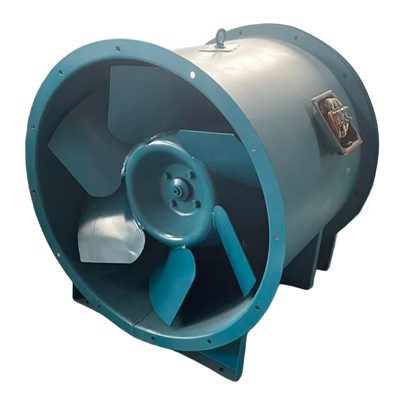
Hey there! As an axial fan supplier, I often get asked if axial fans can be used in chemical plants. Well, let's dive right into this topic and find out.
Understanding Axial Fans
First off, what are axial fans? Axial fans are those fans where the air flows parallel to the axis of the fan blade rotation. They're pretty common in various industries because they're simple in design and can move a large volume of air at relatively low pressure.
These fans work by the blades pushing the air straight through the fan housing. They're usually made up of a motor, blades, and a housing. The motor powers the rotation of the blades, which then create the airflow. Axial fans come in different sizes and configurations, depending on the specific application.
Chemical Plant Requirements
Chemical plants have some unique requirements when it comes to ventilation and air handling. For starters, they deal with all sorts of chemicals, some of which can be corrosive, flammable, or toxic. So, any equipment used in these plants needs to be able to withstand these harsh conditions.
Ventilation is crucial in chemical plants to remove harmful fumes, gases, and dust. It helps maintain a safe working environment for the employees and also prevents the build - up of explosive mixtures. The ventilation system needs to be reliable and efficient to ensure continuous operation.
Can Axial Fans Be Used in Chemical Plants?
The answer is yes, axial fans can definitely be used in chemical plants, but with some important considerations.
Corrosion Resistance
One of the main challenges in chemical plants is corrosion. Many chemicals can eat away at the fan components over time. That's why we offer axial fans made from materials that are highly resistant to corrosion. For example, our Fiberglass Roof Fan is made of fiberglass, which is known for its excellent corrosion resistance. Fiberglass can withstand exposure to a wide range of chemicals, making it a great choice for chemical plant applications.
Explosion - Proof Design
Since chemical plants often deal with flammable substances, the fans need to be explosion - proof. Our axial fans can be designed with explosion - proof motors and other safety features. These fans are built to prevent any sparks or heat sources that could potentially ignite the flammable gases or vapors in the plant. For instance, our Fire Smoke Exhaust Fan is designed with safety in mind and can be used in areas where there's a risk of fire or explosion.
Airflow and Pressure Requirements
Chemical plants have specific airflow and pressure requirements. Axial fans are great at moving large volumes of air, but they may not be suitable for applications that require high pressure. However, we have different models of axial fans, including our Square Axial Fan, which can be customized to meet the specific airflow and pressure needs of the chemical plant. We can adjust the blade design, motor power, and other parameters to ensure that the fan provides the right amount of air movement.
Advantages of Using Axial Fans in Chemical Plants
There are several advantages to using axial fans in chemical plants.
Cost - Effective
Axial fans are generally more cost - effective compared to other types of fans. They have a simple design, which means they're easier and cheaper to manufacture. This can result in significant cost savings for the chemical plant, especially when it comes to large - scale ventilation systems.
Easy Installation and Maintenance
Axial fans are relatively easy to install. They don't require a lot of complex ductwork or additional equipment. And when it comes to maintenance, they're also quite straightforward. The components are easy to access, and replacement parts are readily available. This reduces the downtime of the ventilation system and keeps the plant running smoothly.
Energy Efficiency
Our axial fans are designed to be energy - efficient. They use less power compared to some other types of fans while still providing a sufficient amount of airflow. This can lead to lower energy costs for the chemical plant, which is always a plus.
Case Studies
Let me share a couple of case studies to illustrate how our axial fans have been successfully used in chemical plants.

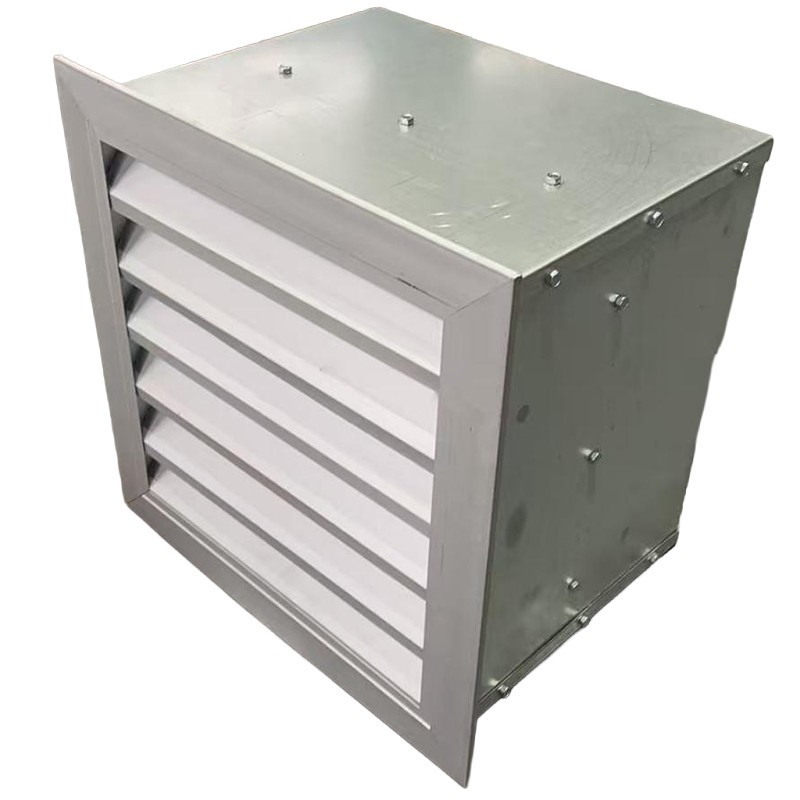
One chemical plant was dealing with a high - level of corrosive fumes. They were using a different type of fan that was quickly deteriorating due to the corrosive environment. We installed our fiberglass axial fans, and they've been working great ever since. The fiberglass material has withstood the corrosive chemicals, and the fans have been providing consistent ventilation.
Another chemical plant had a problem with explosive gases in one of their storage areas. We provided them with our explosion - proof axial fans. These fans have been operating safely and effectively, preventing any potential explosion hazards.
Conclusion
So, to sum it up, axial fans can be a great choice for chemical plants. With the right design and materials, they can meet the unique requirements of these plants, including corrosion resistance, explosion - proofing, and specific airflow and pressure needs. They're cost - effective, easy to install and maintain, and energy - efficient.
If you're in the chemical plant industry and are looking for a reliable ventilation solution, I'd love to talk to you. We can discuss your specific needs and find the perfect axial fan for your plant. Whether it's a Fiberglass Roof Fan, a Square Axial Fan, or a Fire Smoke Exhaust Fan, we've got you covered. Don't hesitate to reach out and start a conversation about your procurement needs.
References
- "Industrial Ventilation Handbook"
- "Chemical Plant Safety Guidelines"