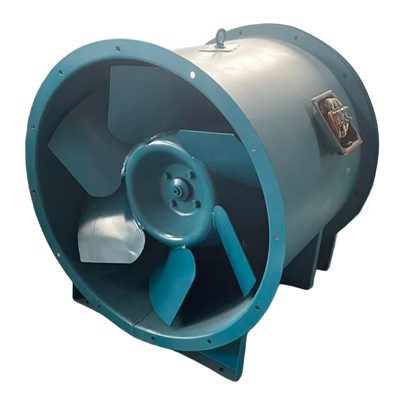
Hey there! As a supplier of Aerofoil Axial Flow Fans, I've seen my fair share of issues in the field. One of the most common and troublesome problems is the cavitation phenomenon. So, let's dive into what cavitation is in an Aerofoil Axial Flow Fan and how we can prevent it.
What is Cavitation in an Aerofoil Axial Flow Fan?
Okay, first things first. Cavitation is a pretty cool but also really annoying thing that can happen in our fans. You know how when you stir a glass of water really fast, you might see some tiny bubbles form? Well, in an Aerofoil Axial Flow Fan, it's kind of similar, but on a much more technical level.
When the fan is running, the blades are moving through the air at high speeds. As the air moves over the blades, the pressure changes. In some areas, the pressure drops so low that the air turns into vapor, forming small bubbles. These bubbles are what we call cavitation bubbles.
Now, these bubbles don't just sit there. They move along with the airflow and eventually reach an area where the pressure is higher. When that happens, the bubbles collapse suddenly. This collapse creates a shockwave, kind of like a mini - explosion. And these shockwaves can cause a lot of damage to the fan blades.
The effects of cavitation are not to be taken lightly. It can lead to pitting and erosion of the fan blades. Over time, this can weaken the blades, reducing their efficiency and lifespan. You might also notice an increase in noise and vibration from the fan. And let's be honest, nobody wants a noisy and inefficient fan in their system.
Why Does Cavitation Happen?
There are a few reasons why cavitation might occur in an Aerofoil Axial Flow Fan. One of the main factors is the operating conditions. If the fan is running at a very high flow rate or a very low pressure, it can create the right conditions for cavitation to happen.
For example, if the system has a blockage downstream, the fan has to work harder to push the air through. This can cause the pressure on the blades to drop, leading to cavitation. Another factor is the design of the fan. If the blades are not designed properly, they might create areas of low pressure that are more prone to cavitation.
The quality of the air also plays a role. If the air contains a lot of moisture or contaminants, it can affect the formation and collapse of the cavitation bubbles. And let's not forget about the speed of the fan. Running the fan at a speed that's too high for its design can also increase the risk of cavitation.
How to Detect Cavitation
Detecting cavitation early is crucial to prevent serious damage to the fan. One of the easiest ways to tell if cavitation is occurring is by listening to the fan. If you hear a popping or crackling sound, it could be a sign of cavitation. You might also notice an increase in vibration. You can use a vibration sensor to measure the vibration levels of the fan. If the vibration is higher than normal, it could be due to cavitation.
Another way to detect cavitation is by looking at the performance of the fan. If the fan is not delivering the expected airflow or pressure, it could be because of cavitation. You can use flow meters and pressure sensors to monitor the performance of the fan and compare it to the manufacturer's specifications.


Preventing Cavitation in Aerofoil Axial Flow Fans
Now, let's talk about how we can prevent cavitation. The good news is that there are several steps we can take to reduce the risk of cavitation.
Proper Fan Selection
The first step is to choose the right fan for the job. You need to consider the flow rate, pressure, and other operating conditions of your system. Make sure the fan is designed to handle the specific requirements of your application. If you're not sure which fan to choose, our team of experts can help you make the right decision.
Optimize Operating Conditions
It's important to operate the fan within its recommended range. Avoid running the fan at very high flow rates or very low pressures. If you need to adjust the airflow, do it gradually. You can also use dampers or variable speed drives to control the flow rate and pressure of the fan.
Improve the Design
A well - designed fan is less likely to experience cavitation. Our Aerofoil Axial Flow Fans are designed with advanced aerodynamics to minimize areas of low pressure. The blades are shaped to ensure smooth airflow and reduce the risk of cavitation. We also use high - quality materials that are more resistant to erosion caused by cavitation.
Maintain the Fan
Regular maintenance is key to preventing cavitation. Keep the fan clean and free of debris. Check the blades for signs of wear and tear. If you notice any damage, replace the blades as soon as possible. You should also lubricate the bearings and other moving parts to ensure smooth operation.
Our Product Range
As a supplier of Aerofoil Axial Flow Fans, we offer a wide range of products to meet different needs. We have Fiberglass Roof Fan that are perfect for ventilation in industrial and commercial buildings. These fans are made of fiberglass, which makes them lightweight and corrosion - resistant.
Our Fire Smoke Exhaust Fan are designed to quickly remove smoke and heat in case of a fire. They are built to withstand high temperatures and provide reliable performance when it matters most.
And if you need a powerful fan for moving large volumes of air, our Air Mover Axial Fan are the perfect choice. These fans are used in a variety of applications, such as drying, cooling, and ventilation.
Contact Us for Procurement
If you're in the market for an Aerofoil Axial Flow Fan or any of our other products, we'd love to hear from you. We can provide you with detailed information about our products, including specifications, pricing, and delivery options. Whether you're a small business or a large industrial company, we have the right fan for you. So, don't hesitate to reach out and start a conversation about your procurement needs.
References
- Fluid Mechanics textbooks
- Manufacturer's manuals for Aerofoil Axial Flow Fans
- Industry research papers on fan performance and cavitation