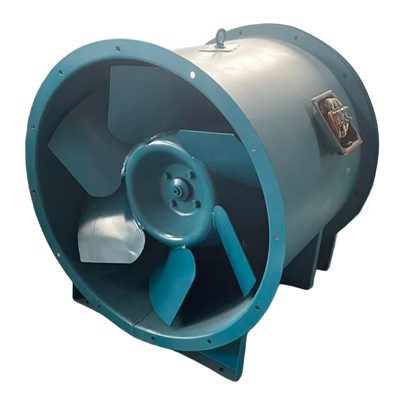
As a supplier of Axial Roof Fans, I understand the importance of maintaining and checking the balance of these essential ventilation devices. An Axial Roof Fan is a crucial component in various industrial and commercial settings, providing efficient air circulation and ventilation. In this blog post, I will share some valuable insights on how to check the balance of an Axial Roof Fan.
Why is Balancing Important?
Before delving into the checking process, it's essential to understand why balancing an Axial Roof Fan is crucial. A well - balanced fan operates more smoothly, reduces vibration, and extends the lifespan of the fan and its components. Excessive vibration can lead to premature wear and tear on bearings, motors, and other parts, which can result in costly repairs and downtime. Additionally, a balanced fan is more energy - efficient, reducing overall energy consumption and operating costs.
Pre - Check Preparations
Before starting the balance check, there are several preparations you need to make. First, ensure that the fan is turned off and completely stopped. This is a safety measure to prevent any accidents during the inspection. Next, gather the necessary tools, such as a vibration analyzer, a tachometer, and a set of weights. You may also need a ladder or a platform to access the fan safely, especially if it is installed on a high roof.
Visual Inspection
The first step in checking the balance of an Axial Roof Fan is a visual inspection. Look for any signs of damage or wear on the fan blades, such as cracks, chips, or bent edges. A damaged blade can cause an imbalance in the fan's rotation. Check the fan housing for any signs of debris or blockages that could affect the airflow and balance. Make sure that all the mounting bolts are tight and that the fan is securely attached to the roof.

Measuring Vibration
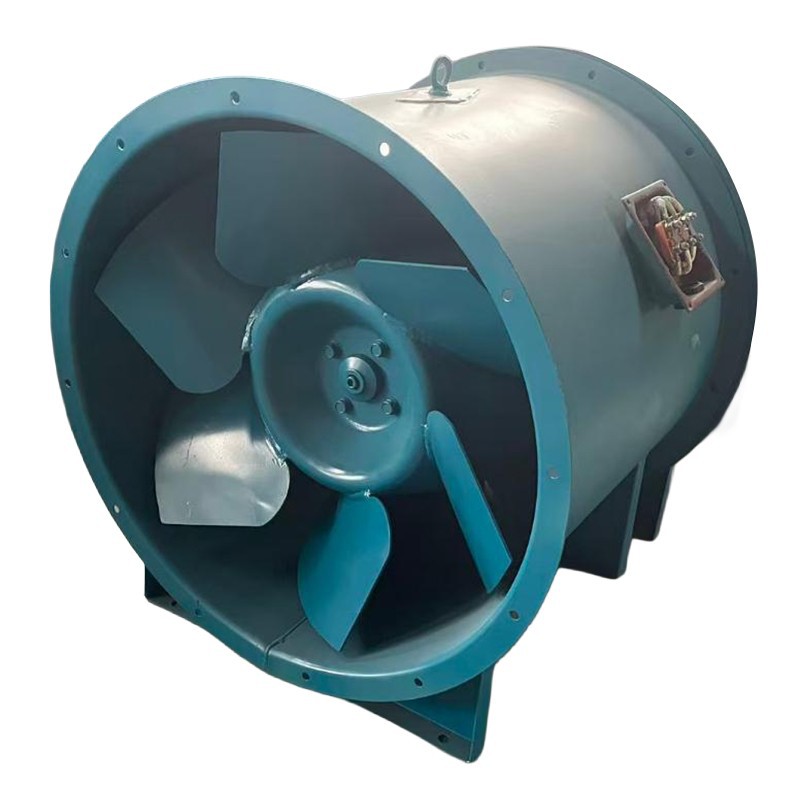
One of the most effective ways to check the balance of an Axial Roof Fan is by measuring its vibration. A vibration analyzer can be used to measure the amplitude and frequency of the vibration. Place the vibration sensor on the fan housing or the motor, and start the fan. The analyzer will display the vibration levels. Compare the measured values with the manufacturer's specifications. If the vibration levels are higher than the recommended values, it indicates an imbalance.
Using a Tachometer
A tachometer is used to measure the rotational speed of the fan. This is important because the balance of the fan can be affected by its speed. Measure the speed of the fan using the tachometer and ensure that it is operating at the correct speed. If the speed is too high or too low, it can cause an imbalance. Adjust the speed if necessary according to the manufacturer's instructions.
Static and Dynamic Balancing
There are two main types of balancing: static and dynamic. Static balancing involves ensuring that the center of gravity of the fan blades is in the center of the fan shaft. To perform static balancing, you can use a balancing stand. Place the fan on the stand and let it come to rest. If the fan does not balance, add or remove weights from the blades until it is balanced.
Dynamic balancing is a more complex process that takes into account the forces acting on the fan during rotation. This type of balancing requires specialized equipment and expertise. It involves measuring the vibration at different points on the fan and adding or removing weights to correct the imbalance.
Checking the Fan Blades
The fan blades play a crucial role in the balance of the Axial Roof Fan. Inspect the blades for any signs of dirt, dust, or corrosion. Clean the blades thoroughly to ensure that they are free from any debris. If the blades are dirty, it can cause an imbalance. You can use a soft brush or a cloth to clean the blades.
Regular Maintenance
Regular maintenance is key to ensuring the proper balance of an Axial Roof Fan. Schedule regular inspections and cleaning of the fan. Check the balance at least once a year or more frequently if the fan is operating in a harsh environment. Replace any worn or damaged parts promptly to prevent further imbalance.
Our Product Range
As a supplier, we offer a wide range of Axial Roof Fans, including Square Axial Fan, Fire Smoke Exhaust Fan, and High Pressure Axial Fan. Our fans are designed to meet the highest quality standards and provide efficient ventilation solutions.
Conclusion
Checking the balance of an Axial Roof Fan is an important maintenance task that can help ensure the efficient and reliable operation of the fan. By following the steps outlined in this blog post, you can identify and correct any imbalances in your fan. If you have any questions or need further assistance with balancing your Axial Roof Fan, or if you are interested in purchasing our high - quality fans, please feel free to contact us for a procurement discussion.
References
- Fan Engineering Handbook, Various Authors
- Industrial Ventilation Standards, National Institute for Occupational Safety and Health
- Axial Fan Manufacturer's Manuals