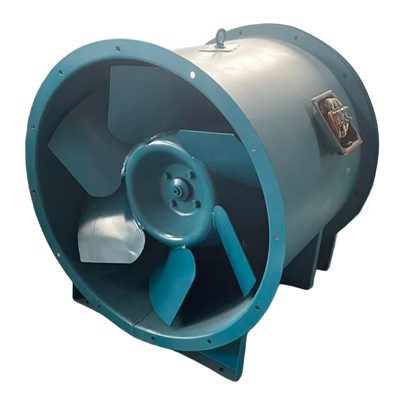
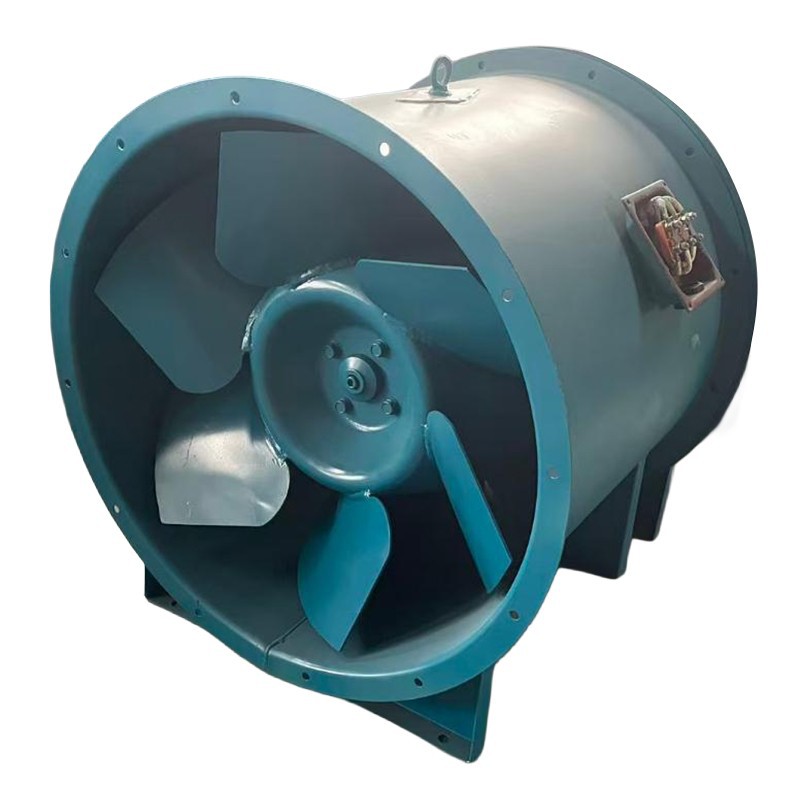
Selecting the appropriate size of an explosion proof axial fan is crucial for ensuring safety and efficiency in hazardous environments. As a supplier of explosion proof axial fans, I've seen firsthand how choosing the wrong size can lead to a whole host of problems. In this blog, I'll share some tips on how to pick the right size fan for your specific needs.
Understanding the Basics
First off, let's talk about what an explosion proof axial fan is. These fans are designed to operate in environments where there's a risk of explosive gases or dust. They're built with special features to prevent sparks or heat from igniting the surrounding atmosphere.
The size of an explosion proof axial fan is determined by a few key factors: airflow, pressure, and power. Airflow is measured in cubic feet per minute (CFM) and indicates how much air the fan can move. Pressure, measured in inches of water gauge (in. wg), shows the fan's ability to overcome resistance. Power, measured in horsepower (HP), tells you how much energy the fan consumes.
Assessing Your Needs
Before you start shopping for a fan, you need to figure out your requirements. Here are some questions to ask yourself:
- What's the size of the space? The larger the area you need to ventilate, the higher the airflow you'll require. For example, a small storage room might only need a fan with a low CFM, while a large industrial warehouse will need a high-capacity fan.
- What type of hazardous materials are present? Different gases and dusts have different explosion risks. You'll need to choose a fan that's rated for the specific hazardous substances in your environment.
- What's the required pressure? If there are obstacles or long ductwork in your ventilation system, you'll need a fan with a higher pressure rating to ensure proper airflow.
Types of Explosion Proof Axial Fans
There are several types of explosion proof axial fans available, each with its own advantages. Let's take a look at a few common ones:
- Vane Axial Flow Fan: These fans are known for their high efficiency and quiet operation. They're ideal for applications where space is limited and a high-pressure output is required. Check out Vane Axial Flow Fan for more information.
- Cased Axial Fan: Cased axial fans are enclosed in a housing, which helps to direct the airflow and reduce noise. They're suitable for a wide range of applications, from industrial ventilation to HVAC systems. Learn more about Cased Axial Fan.
- High Pressure Axial Fan: As the name suggests, these fans are designed to generate high pressure. They're often used in systems with long ductwork or high resistance. Find out more about High Pressure Axial Fan.
Calculating the Right Size
Once you've determined your requirements, it's time to calculate the right size fan. Here's a simple formula to help you get started:
CFM = (Area of the space x Air changes per hour) / 60
For example, if you have a 1000 square foot room and you want to achieve 6 air changes per hour, the calculation would be:

CFM = (1000 x 6) / 60 = 100 CFM
Keep in mind that this is just a rough estimate. You'll also need to consider factors like the height of the room, the type of equipment in the space, and the presence of any obstructions.
Other Considerations
In addition to airflow and pressure, there are a few other things to keep in mind when selecting an explosion proof axial fan:
- Motor Efficiency: A more efficient motor will consume less energy and save you money in the long run. Look for fans with high-efficiency motors.
- Noise Level: If noise is a concern, choose a fan with a low noise rating. Some fans are designed to operate quietly, even at high speeds.
- Maintenance Requirements: Regular maintenance is essential to keep your fan running smoothly. Make sure you choose a fan that's easy to maintain and has readily available replacement parts.
Conclusion
Selecting the appropriate size of an explosion proof axial fan is a critical decision that can have a significant impact on the safety and efficiency of your operation. By understanding your requirements, considering the different types of fans available, and calculating the right size, you can ensure that you choose the best fan for your needs.
If you're in the market for an explosion proof axial fan, I'd love to help. Our team of experts can provide you with personalized advice and recommendations based on your specific requirements. Contact us today to start the conversation and find the perfect fan for your application.
References
- Fan Engineering Handbook
- Industrial Ventilation Manual