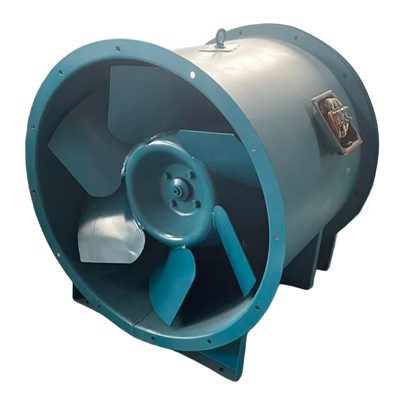
Hey there! I'm a supplier of Centrifugal Roof Fans, and today I want to dive into the topic of "What is the efficiency of a centrifugal roof fan?"
Understanding Centrifugal Roof Fans
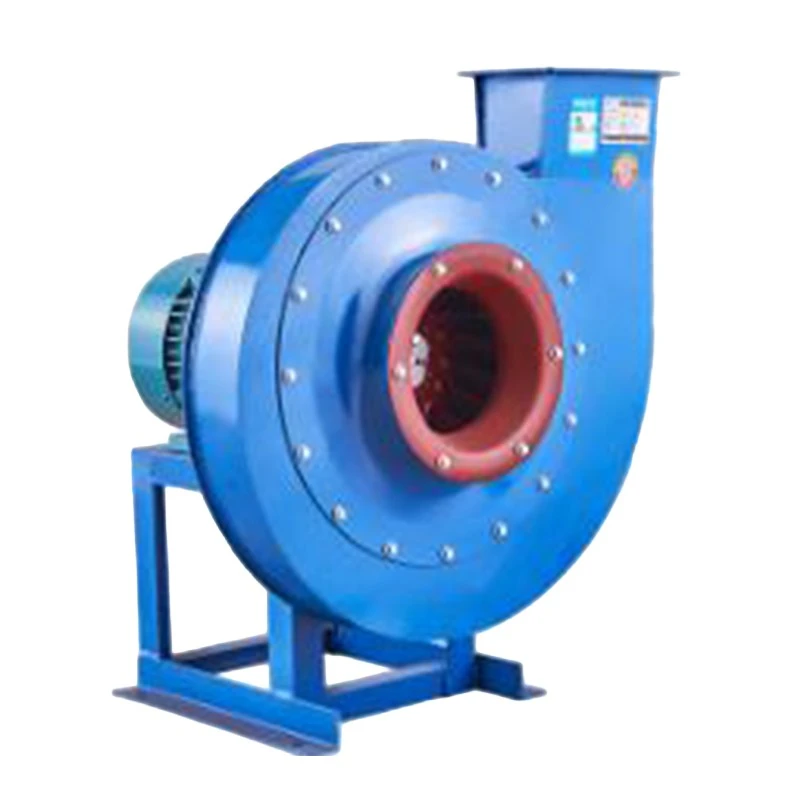
First off, let's get a basic understanding of what a centrifugal roof fan is. These fans are designed to move air in a radial direction, using centrifugal force. They're commonly used in industrial and commercial settings to remove stale air, fumes, and heat from buildings. The air enters the fan through the center and is then thrown outwards by the rotating blades.
Centrifugal roof fans come in different sizes and designs, each suited for specific applications. Some are built for high-pressure applications, while others are more focused on moving large volumes of air at lower pressures.
Measuring Efficiency
So, how do we measure the efficiency of a centrifugal roof fan? Well, there are a few key factors to consider.
Airflow
One of the most important aspects is the airflow rate. This is measured in cubic feet per minute (CFM) or cubic meters per hour (m³/h). A more efficient fan will be able to move a larger volume of air with less energy input. For example, if you have a large warehouse that needs to be ventilated, you'll want a fan that can move a significant amount of air quickly.
Static Pressure
Static pressure is another crucial factor. It refers to the resistance that the fan has to overcome to move the air. In buildings, there can be various sources of resistance, such as ductwork, filters, and louvers. A fan with high static pressure capabilities can push air through these obstacles more effectively. The efficiency of a fan is often related to how well it can maintain airflow at a given static pressure.
Power Consumption
Of course, we can't forget about power consumption. An efficient centrifugal roof fan will use less electricity to achieve the desired airflow and static pressure. This not only saves on energy costs but also reduces the environmental impact. You can calculate the efficiency by comparing the amount of air moved to the amount of power consumed.
Factors Affecting Efficiency
There are several factors that can affect the efficiency of a centrifugal roof fan.
Blade Design
The design of the fan blades plays a significant role. Blades with a more aerodynamic shape can move air more efficiently. For example, backward-curved blades are known for their high efficiency and low noise levels. They can convert the mechanical energy of the motor into airflow more effectively compared to other blade designs.
Motor Efficiency
The motor is the heart of the fan, and its efficiency is crucial. A high-quality motor will convert electrical energy into mechanical energy with minimal losses. Variable speed motors can be particularly efficient as they allow the fan to adjust its speed based on the actual ventilation needs. You can check out the Variable Speed Centrifugal Fan for more information on this type of fan.

System Design
The overall system design also matters. Properly sized ductwork, well-placed louvers, and appropriate filters can all contribute to the fan's efficiency. If the system is poorly designed, the fan may have to work harder to overcome the resistance, resulting in lower efficiency.
Benefits of High-Efficiency Centrifugal Roof Fans
Using a high-efficiency centrifugal roof fan offers several benefits.
Energy Savings
As mentioned earlier, an efficient fan will use less electricity, which can lead to significant cost savings over time. This is especially important for large industrial facilities that run their ventilation systems continuously.
Improved Air Quality
By moving air more effectively, high-efficiency fans can help remove pollutants, moisture, and heat from the building. This creates a healthier and more comfortable environment for employees and occupants.
Reduced Maintenance
Efficient fans tend to have less wear and tear, which means less maintenance and longer service life. This can save on maintenance costs and reduce downtime.
Our Centrifugal Roof Fans
At our company, we offer a wide range of Centrifugal Roof Fans that are designed for high efficiency. Our fans are built with high-quality materials and advanced technology to ensure optimal performance.
We also have Centrifugal Blowers for Dust Collectors that are specifically designed to handle the challenges of dust collection systems. These blowers are efficient at removing dust and debris from the air, improving the overall air quality in industrial settings.
Conclusion
In conclusion, the efficiency of a centrifugal roof fan is determined by several factors, including airflow, static pressure, power consumption, blade design, motor efficiency, and system design. By choosing a high-efficiency fan, you can save on energy costs, improve air quality, and reduce maintenance.
If you're interested in learning more about our centrifugal roof fans or have any questions about ventilation systems, feel free to reach out to us. We're here to help you find the right solution for your needs. Let's start a conversation and see how we can work together to improve your ventilation system.
References
- ASHRAE Handbook - HVAC Systems and Equipment
- Fan Manufacturers Association (FMA) Standards