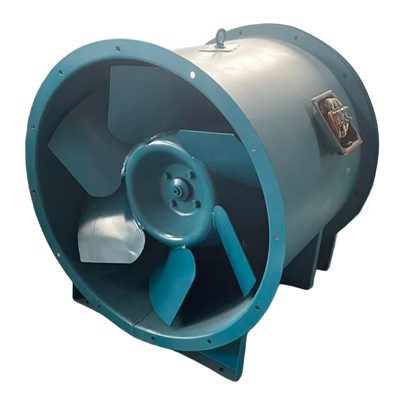
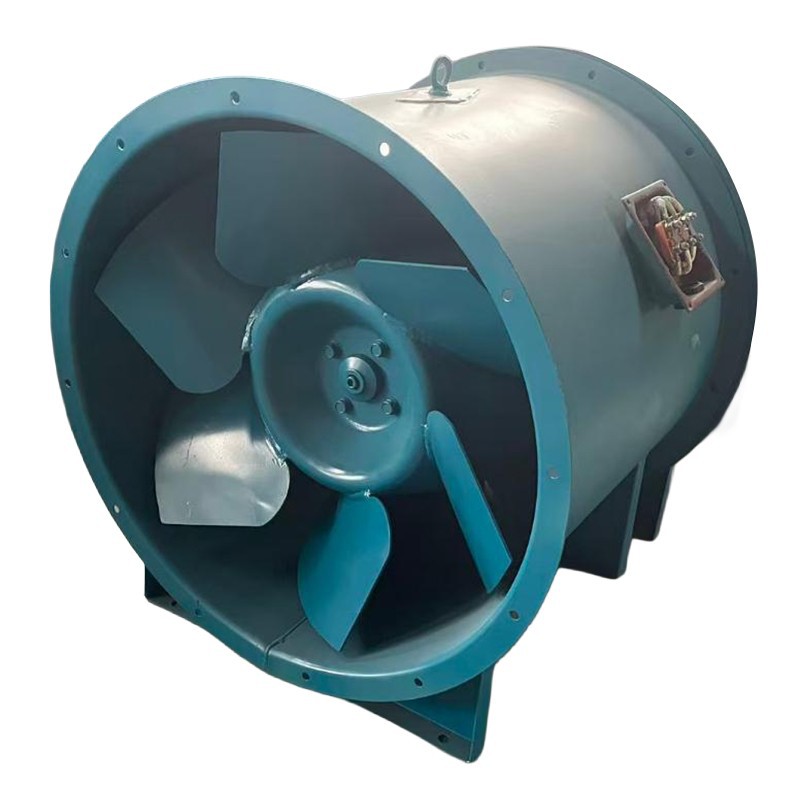
As a supplier of Vane Axial Flow Fans, I've witnessed firsthand the challenges that come with these essential pieces of equipment. Vane Axial Flow Fans are widely used in various industries for ventilation, cooling, and air movement due to their efficiency and reliability. However, like any mechanical device, they are prone to certain motor failures. In this blog, we'll explore the common motor failures in Vane Axial Flow Fans and how to address them.
Overheating
One of the most common motor failures in Vane Axial Flow Fans is overheating. Overheating can occur due to several reasons, including excessive load, poor ventilation, or a malfunctioning cooling system. When a motor overheats, it can cause damage to the insulation, bearings, and other components, leading to premature failure.
To prevent overheating, it's essential to ensure that the fan is operating within its rated capacity. Overloading the fan can cause the motor to work harder, generating more heat. Additionally, proper ventilation is crucial to dissipate heat effectively. Make sure that the fan is installed in an area with adequate airflow and that the cooling fins are clean and free of debris.
Another factor that can contribute to overheating is a malfunctioning cooling system. If the fan's cooling system is not working correctly, the motor may not be able to dissipate heat effectively, leading to overheating. Regular maintenance and inspection of the cooling system can help prevent this issue.
Bearing Failure
Bearing failure is another common motor failure in Vane Axial Flow Fans. Bearings are essential components that support the rotating shaft of the motor and allow it to operate smoothly. Over time, bearings can wear out due to friction, contamination, or improper lubrication.
When a bearing fails, it can cause excessive vibration, noise, and even damage to the motor. To prevent bearing failure, it's essential to use high-quality bearings and ensure that they are properly lubricated. Regular maintenance and inspection of the bearings can help detect any signs of wear or damage early on, allowing for timely replacement.
Electrical Issues
Electrical issues are also a common cause of motor failures in Vane Axial Flow Fans. These issues can include short circuits, open circuits, and voltage fluctuations. Short circuits can occur when the insulation on the motor's windings is damaged, causing the current to flow in an unintended path. Open circuits can occur when a wire is broken or disconnected, preventing the current from flowing through the motor.
Voltage fluctuations can also cause problems for the motor. If the voltage is too high or too low, it can cause the motor to overheat or operate inefficiently. To prevent electrical issues, it's essential to ensure that the fan is connected to a stable power source and that the electrical wiring is properly installed and maintained.

Belt Slippage
In some Vane Axial Flow Fans, the motor is connected to the fan blades through a belt. Belt slippage can occur when the belt is loose, worn, or misaligned. When the belt slips, it can cause the fan to operate inefficiently or even stop working altogether.
To prevent belt slippage, it's essential to ensure that the belt is properly tensioned and that it is in good condition. Regular inspection of the belt can help detect any signs of wear or damage early on, allowing for timely replacement.
Solutions and Preventive Measures
To address these common motor failures in Vane Axial Flow Fans, it's essential to take a proactive approach to maintenance and inspection. Here are some solutions and preventive measures that can help ensure the reliable operation of your fans:
- Regular Maintenance: Schedule regular maintenance and inspection of your fans to detect any signs of wear or damage early on. This can include checking the bearings, belts, electrical connections, and cooling system.
- Proper Installation: Ensure that the fans are installed correctly and that they are operating within their rated capacity. Improper installation can lead to premature failure and other issues.
- Use High-Quality Components: Use high-quality bearings, belts, and other components to ensure the reliability and longevity of your fans.
- Monitor Performance: Monitor the performance of your fans regularly to detect any changes or issues. This can include measuring the temperature, vibration, and noise levels.
- Provide Adequate Ventilation: Ensure that the fans are installed in an area with adequate airflow and that the cooling fins are clean and free of debris.
- Train Your Staff: Provide training to your staff on how to operate and maintain the fans properly. This can help prevent issues and ensure the safe and efficient operation of your equipment.
Conclusion
In conclusion, Vane Axial Flow Fans are essential pieces of equipment that are widely used in various industries. However, like any mechanical device, they are prone to certain motor failures. By understanding the common motor failures in Vane Axial Flow Fans and taking proactive measures to prevent them, you can ensure the reliable operation of your fans and avoid costly downtime.
If you're in the market for a Vane Axial Flow Fan, we offer a wide range of high-quality fans, including High Pressure Axial Fan and Stainless Steel Axial Fan. Our Vane Axial Flow Fan is designed to provide efficient and reliable performance in a variety of applications. If you have any questions or would like to discuss your specific requirements, please don't hesitate to contact us for a consultation. We're here to help you find the right solution for your needs.
References
- "Motor Maintenance and Troubleshooting Guide," Electrical Engineering Handbook.
- "Axial Flow Fan Design and Operation," ASHRAE Handbook.
- "Industrial Fan Maintenance Best Practices," Fan Manufacturer's Association.