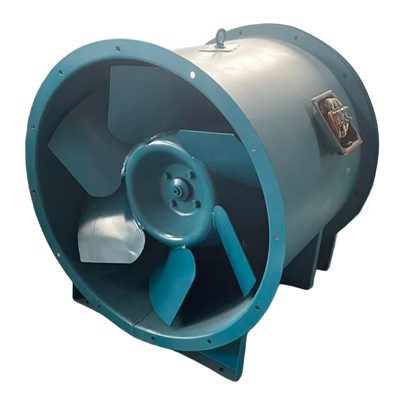
Hey there! As a supplier of high-pressure axial fans, I often get asked about the noise level standards for these bad boys. So, I thought I'd take a moment to break it down for you.
First off, let's talk about why noise level is such a big deal. In a lot of settings, whether it's an industrial plant, a commercial building, or even a home, excessive noise can be a real pain in the you-know-what. It can cause distractions, stress, and even hearing damage over time. That's why there are standards in place to make sure that fans, including high-pressure axial fans, don't get too loud.
Understanding Noise Level Measurement
Before we dive into the standards, let's quickly go over how noise levels are measured. The unit of measurement for sound is the decibel (dB). A whisper is about 30 dB, normal conversation is around 60 dB, and a jet engine taking off can be as loud as 140 dB. When it comes to fans, the noise level is usually measured at a specific distance from the fan, typically 1 meter away.
International and National Standards
There are several international and national standards that govern the noise levels of high-pressure axial fans. One of the most well-known is the ISO 10302 standard, which provides guidelines for the measurement and declaration of fan sound power levels. This standard helps manufacturers and users compare the noise performance of different fans.
In the United States, the Occupational Safety and Health Administration (OSHA) has set limits on workplace noise exposure. For an 8-hour workday, the permissible noise level is 90 dB. This means that if you're using high-pressure axial fans in a workplace, you need to make sure that the noise levels stay within this limit.
Factors Affecting Noise Levels
Now, let's talk about what factors can affect the noise level of a high-pressure axial fan. One of the biggest factors is the fan's design. Fans with poorly designed blades or inefficient motors can generate more noise. The speed of the fan also plays a role. Generally, the faster the fan spins, the louder it will be.
Another factor is the installation of the fan. If the fan is not properly installed, it can vibrate and create additional noise. For example, if the fan is not mounted on a stable surface or if the ducts are not properly sealed, it can lead to increased noise levels.
Our High-Pressure Axial Fans and Noise Levels
At our company, we take noise levels very seriously. We've spent a lot of time and effort designing our high-pressure axial fans to be as quiet as possible without sacrificing performance. Our fans are engineered with advanced blade designs and high-quality motors to minimize noise.
We also offer a range of options to help reduce noise even further. For example, we have fans with built-in silencers that can significantly reduce the noise output. And if you need a custom solution, our team of experts can work with you to design a fan that meets your specific noise requirements.


Comparing Our Fans with the Market
When you're shopping for high-pressure axial fans, it's important to compare the noise levels of different models. Some fans on the market may claim to be quiet, but in reality, they may not meet the standards. That's why it's important to look for fans that are certified to meet international and national standards.
Our high-pressure axial fans are tested and certified to meet the ISO 10302 standard. This means that you can trust that our fans will perform as advertised and that they will meet the noise level requirements for your application.
Other Products in Our Range
In addition to our high-pressure axial fans, we also offer a range of other ventilation products. If you're looking for a different type of fan, we have Axial Box Fan that are great for small spaces and Axial Roof Fan that are designed for outdoor use. We also have Aluminium Turbo Ventilator that can provide natural ventilation for your building.
Contact Us for Your Ventilation Needs
If you're in the market for a high-pressure axial fan or any other ventilation product, we'd love to hear from you. Our team of experts can help you choose the right fan for your application and answer any questions you may have about noise levels or other technical specifications.
Whether you're a small business owner looking to improve the ventilation in your office or a large industrial company in need of a high-performance fan, we have the solution for you. So, don't hesitate to reach out and start a conversation with us. We're here to help you find the best ventilation solution for your needs.
References
- ISO 10302: Fans - Determination of fan sound power levels under standardized laboratory conditions
- Occupational Safety and Health Administration (OSHA) - Noise Standards