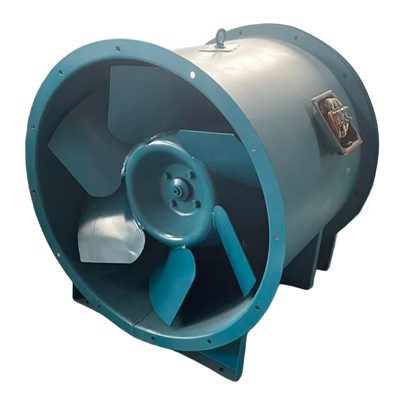
When it comes to ventilation systems, axial roof fans play a crucial role in maintaining a healthy and safe environment. As a supplier of axial roof fans, I understand the importance of ensuring that these fans are used safely and effectively. In this blog post, I will discuss some of the key safety precautions that should be taken when using an axial roof fan.
Installation Precautions
The first step in ensuring the safe use of an axial roof fan is proper installation. Here are some important points to consider:


- Professional Installation: It is highly recommended to have the axial roof fan installed by a qualified professional. They have the knowledge and experience to ensure that the fan is installed correctly, which is essential for its safe and efficient operation. Incorrect installation can lead to issues such as vibration, noise, and even structural damage.
- Location Selection: Choose a suitable location for the fan. The roof area should be structurally sound and able to support the weight of the fan. Also, ensure that the fan is installed away from any flammable materials or sources of heat. For example, it should not be placed near a chimney or a gas line.
- Ventilation Path: Make sure that the ventilation path is clear. There should be no obstructions in the ductwork or around the fan that could impede the flow of air. This includes removing any debris, leaves, or other objects that may have accumulated over time.
Electrical Safety
Axial roof fans are electrical appliances, so electrical safety is of utmost importance. Here are some precautions to follow:
- Proper Wiring: The fan should be wired according to the electrical codes and standards. Use the correct gauge of wire and ensure that all connections are secure. Loose connections can cause overheating and potentially lead to a fire.
- Grounding: The fan must be properly grounded. This helps to protect against electrical shocks in case of a short circuit. A qualified electrician can ensure that the grounding is done correctly.
- Use of Surge Protectors: Consider using surge protectors to safeguard the fan from power surges. Power surges can damage the electrical components of the fan and reduce its lifespan.
Maintenance and Inspection
Regular maintenance and inspection are essential for the safe operation of an axial roof fan. Here are some maintenance tasks to perform:
- Cleaning: Clean the fan blades and housing regularly to remove dust, dirt, and debris. This not only improves the fan's performance but also reduces the risk of overheating. You can use a soft brush or a vacuum cleaner to clean the fan.
- Lubrication: Some axial roof fans require lubrication of the bearings. Check the manufacturer's instructions to determine if lubrication is necessary and how often it should be done. Proper lubrication helps to reduce friction and wear on the bearings.
- Inspection of Components: Regularly inspect the fan's components, such as the motor, belts, and pulleys, for signs of wear or damage. Replace any worn or damaged parts immediately to prevent further problems.
Operational Precautions
When operating an axial roof fan, there are several precautions to keep in mind:
- Follow Manufacturer's Instructions: Always follow the manufacturer's instructions for operating the fan. This includes setting the correct speed and ensuring that the fan is used within its specified capacity.
- Avoid Overloading: Do not overload the fan by using it in conditions that exceed its rated capacity. This can cause the motor to overheat and potentially lead to a breakdown.
- Emergency Stop: Familiarize yourself with the emergency stop button or switch on the fan. In case of an emergency, such as a fire or a mechanical failure, you can quickly stop the fan to prevent further damage.
Special Considerations for Different Types of Axial Roof Fans
Depending on the specific application, there may be additional safety precautions to take. For example:
- Fire Smoke Exhaust Fan: These fans are designed to remove smoke and heat in the event of a fire. They should be regularly tested to ensure that they are in working condition. Also, make sure that the fan is connected to a reliable power source and that the ductwork is properly sealed to prevent the spread of smoke.
- Explosion Proof Axial Fan: In hazardous environments where there is a risk of explosion, explosion-proof axial fans are used. These fans are designed to prevent the ignition of flammable gases or vapors. It is crucial to ensure that the fan is installed and maintained in accordance with the relevant safety standards.
- Axial Bathroom Extractor Fans: These fans are used to remove moisture and odors from bathrooms. They should be installed in a location where they can effectively extract the air. Also, make sure that the fan is protected from water splashes to prevent electrical hazards.
Contact for Purchase and Consultation
If you are in the market for an axial roof fan or have any questions about safety precautions, please feel free to contact us. We are a leading supplier of high-quality axial roof fans and can provide you with the best solutions for your ventilation needs. Whether you need a standard fan or a specialized one for a specific application, we have the expertise and products to meet your requirements.
References
- ASHRAE Handbook of Fundamentals. American Society of Heating, Refrigerating and Air - Conditioning Engineers.
- National Electrical Code (NEC). National Fire Protection Association.
- Manufacturer's manuals for axial roof fans.