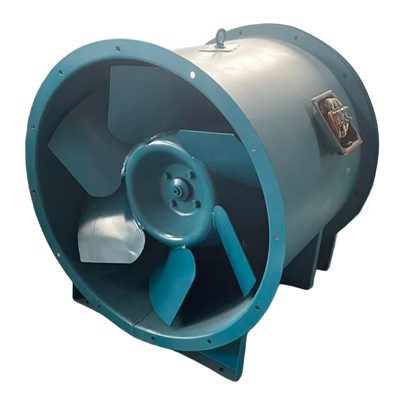
As a supplier of Square Axial Fans, I often get asked about the air circulation efficiency of these nifty devices. So, let's dive right in and break it down.
First off, what exactly is a Square Axial Fan? Well, it's a type of fan that moves air parallel to the axis of the fan blades. The square shape gives it a unique look and can fit well in various setups, whether it's in industrial settings, commercial spaces, or even some home applications.
How Does Air Circulation Work in a Square Axial Fan?
The basic principle behind the air circulation of a Square Axial Fan is pretty straightforward. When the fan is turned on, the blades start rotating. As they spin, they create a pressure difference. The blades push the air from one side of the fan to the other, causing a flow of air. This flow is what we call air circulation.
The efficiency of this air circulation depends on several factors. One of the most important factors is the design of the fan blades. The shape, size, and pitch of the blades all play a role in how effectively the fan can move air. A well - designed blade can move a large volume of air with less energy consumption.
For example, some Square Axial Fans have blades with a curved design. This curved shape helps to scoop up the air and direct it in a more efficient manner. It's like a little air - moving machine! The pitch of the blades also matters. A steeper pitch can move more air per revolution, but it might require more power to turn.
Measuring Air Circulation Efficiency
There are a few ways to measure the air circulation efficiency of a Square Axial Fan. One common metric is the cubic feet per minute (CFM). This measures the volume of air that the fan can move in one minute. A higher CFM means the fan can move more air, which generally indicates better air circulation.
Another important metric is the static pressure. Static pressure is the resistance that the fan has to overcome to move the air. In some applications, like in duct systems, the fan needs to have enough static pressure to push the air through the ducts. If the static pressure is too low, the air won't flow properly, and the air circulation efficiency will be reduced.
Factors Affecting Air Circulation Efficiency
There are several factors that can affect the air circulation efficiency of a Square Axial Fan. One of the biggest factors is the environment in which the fan is operating. If the fan is placed in a confined space, the air might not be able to flow freely, which can reduce the efficiency. For example, if the fan is blocked by objects on one side, it won't be able to move as much air as it could in an open space.
The speed of the fan also plays a role. Generally, a higher speed means more air movement. However, increasing the speed also increases the power consumption. So, there's a balance to be struck between the amount of air movement and the energy used.
The quality of the motor is another factor. A high - quality motor can run more smoothly and efficiently, which can improve the overall air circulation efficiency of the fan. Cheaper motors might not be as reliable and could cause the fan to operate less efficiently over time.
Comparing Square Axial Fans with Other Fans
When it comes to air circulation efficiency, how do Square Axial Fans stack up against other types of fans? Let's take a look at two common alternatives: the Stainless Steel Axial Fan and the Aluminium Turbo Ventilator.
Stainless Steel Axial Fans are known for their durability and corrosion resistance. They can be used in harsh environments where other fans might not last as long. However, in terms of air circulation efficiency, they are similar to Square Axial Fans. The main difference might be in the materials and the specific design, which can affect the CFM and static pressure.
Aluminium Turbo Ventilators, on the other hand, work in a different way. They use the natural wind and the heat inside a building to create a ventilation effect. While they can be effective in some situations, they might not be as efficient as Square Axial Fans when it comes to creating a consistent and controlled air flow. Square Axial Fans can be adjusted to meet specific air circulation needs, making them more versatile in many applications.
Why Choose a Square Axial Fan?
There are several reasons why you might want to choose a Square Axial Fan. First of all, their square shape makes them easy to install in various locations. They can be mounted on walls, ceilings, or even in duct systems.
Secondly, Square Axial Fans are relatively easy to maintain. Most models have removable blades, which makes it easy to clean them and keep them in good working condition.

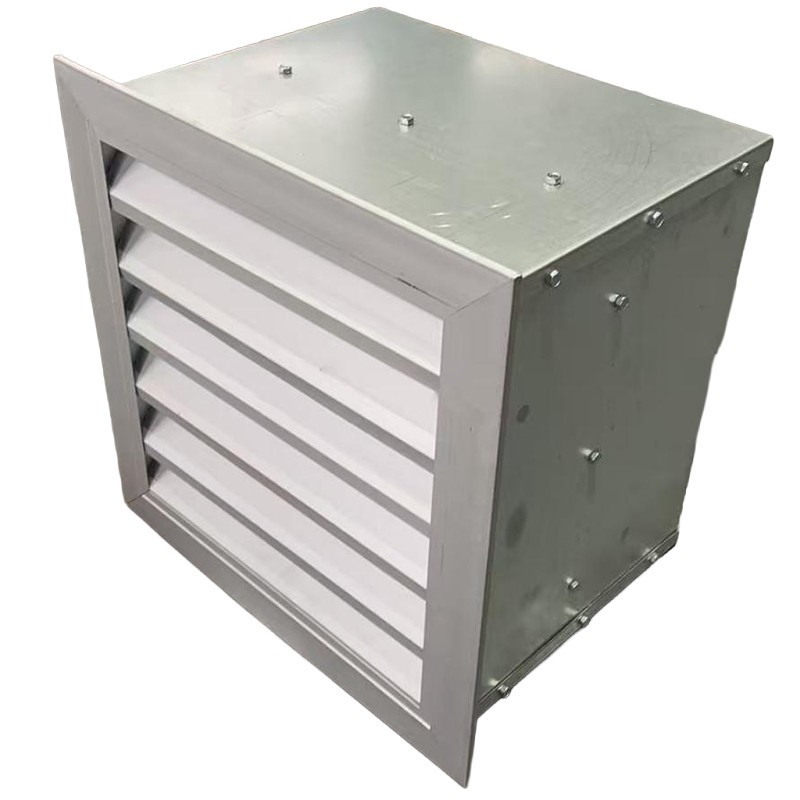
Finally, as a supplier, I can offer a wide range of Square Axial Fans to meet different needs. Whether you need a small fan for a home office or a large fan for an industrial facility, we've got you covered. Check out our Square Axial Fan page to see our full range of products.
Conclusion
In conclusion, the air circulation efficiency of a Square Axial Fan depends on many factors, including the blade design, the environment, and the motor quality. By understanding these factors, you can choose the right fan for your specific needs.
If you're in the market for a Square Axial Fan or have any questions about air circulation efficiency, don't hesitate to get in touch. We're here to help you make the best choice for your ventilation needs. Whether it's for a small - scale project or a large - scale industrial application, we can provide you with the right solution.
References
- Fan Engineering Handbook, various editions
- Industry research reports on ventilation systems