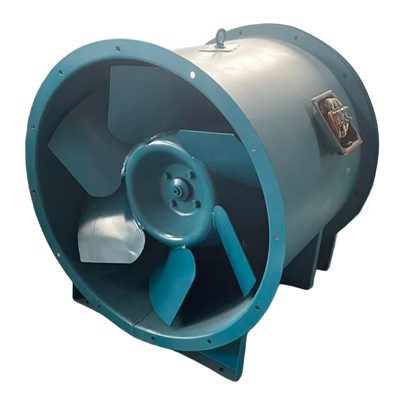
Retrofitting an existing fan to a stainless steel axial fan is a topic that often piques the interest of many in various industries. As a supplier of Stainless Steel Axial Fans, I've encountered numerous inquiries regarding this possibility. In this blog, we'll delve into the feasibility of such a retrofit, exploring the technical aspects, benefits, and potential challenges.
Understanding Axial Fans and Their Retrofit Potential
Axial fans are designed to move air parallel to the axis of the fan blades. They are commonly used in a wide range of applications, from industrial ventilation to household cooling. The key components of an axial fan include the motor, blades, housing, and bearings. When considering a retrofit to a stainless steel axial fan, it's essential to understand the differences between the existing fan and the stainless steel alternative.
Stainless steel axial fans offer several advantages over traditional fans. Stainless steel is highly resistant to corrosion, making it ideal for use in harsh environments such as chemical plants, food processing facilities, and marine applications. It also has a longer lifespan, reducing the need for frequent replacements. Additionally, stainless steel fans are often more aesthetically pleasing, which can be an important factor in certain settings.
Technical Considerations for Retrofitting
The first step in determining the feasibility of a retrofit is to assess the existing fan's specifications. This includes the size, power requirements, and mounting configuration. It's important to ensure that the new stainless steel axial fan can be installed in the same location as the existing fan without significant modifications.
The motor is a critical component of the fan, and it's essential to ensure that the new fan's motor is compatible with the existing electrical system. This may involve checking the voltage, amperage, and frequency requirements. In some cases, it may be necessary to upgrade the electrical system to accommodate the new fan.
The blades of the fan also play a crucial role in its performance. Stainless steel blades are typically more durable and efficient than traditional blades, but they may require a different design to ensure optimal performance. It's important to select blades that are specifically designed for the application and the size of the fan.
Benefits of Retrofitting to a Stainless Steel Axial Fan
There are several benefits to retrofitting an existing fan to a stainless steel axial fan. One of the primary benefits is improved durability and corrosion resistance. Stainless steel is highly resistant to rust and corrosion, which can extend the lifespan of the fan and reduce maintenance costs.
Another benefit is improved performance. Stainless steel blades are typically more aerodynamic than traditional blades, which can result in increased airflow and efficiency. This can lead to energy savings and reduced operating costs.
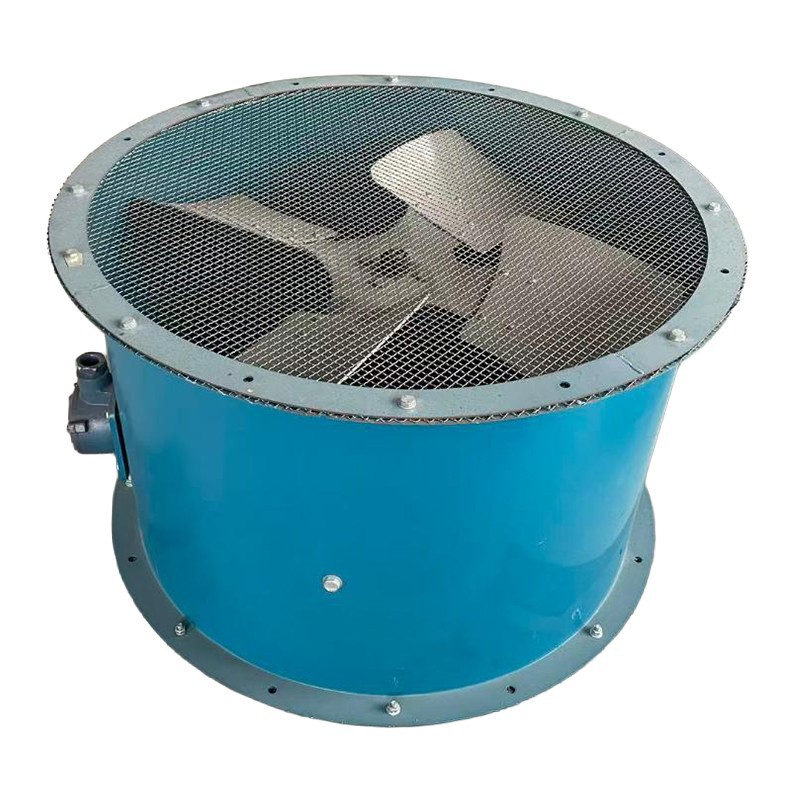
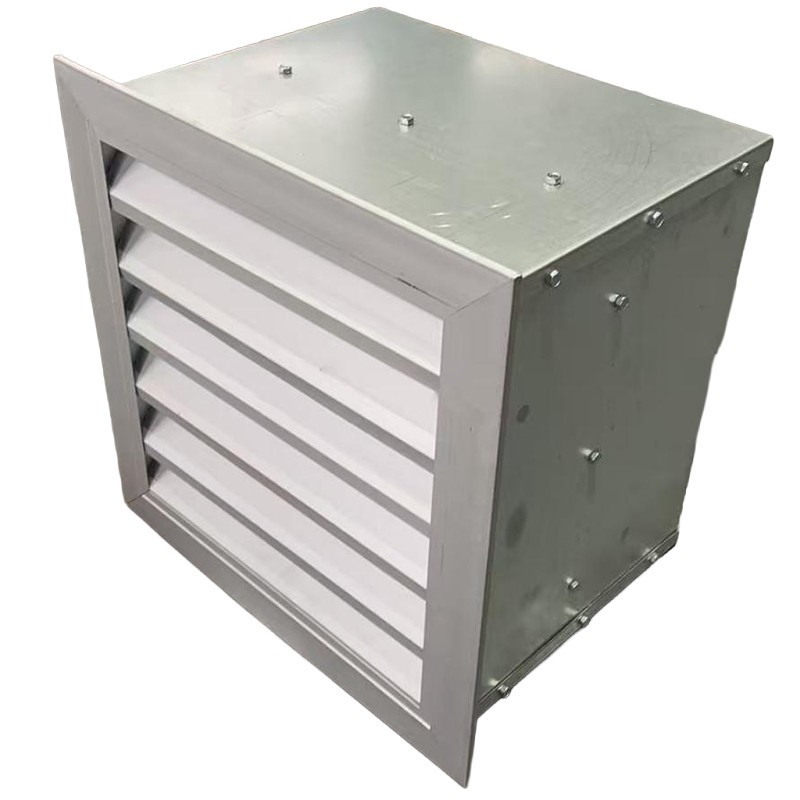
In addition to the technical benefits, stainless steel axial fans are often more aesthetically pleasing than traditional fans. They can enhance the appearance of a facility and create a more professional and modern look.
Potential Challenges of Retrofitting
While there are many benefits to retrofitting to a stainless steel axial fan, there are also some potential challenges that need to be considered. One of the main challenges is the cost. Stainless steel axial fans are typically more expensive than traditional fans, which can make the retrofit a significant investment.
Another challenge is the installation process. Retrofitting a fan can be a complex and time-consuming process, especially if the existing fan is not easily accessible or if significant modifications are required. It's important to work with a qualified professional to ensure that the installation is done correctly and safely.
Conclusion
In conclusion, it is possible to retrofit an existing fan to a stainless steel axial fan, but it requires careful consideration of the technical aspects, benefits, and potential challenges. As a supplier of Stainless Steel Axial Fans, we have the expertise and experience to help you determine the best solution for your specific needs.
If you're interested in learning more about our Atex Axial Fan, Square Axial Fan, or Kitchen Axial Fan, please don't hesitate to contact us. We'd be happy to discuss your requirements and provide you with a customized solution.
References
- ASHRAE Handbook - Fundamentals
- Fan Engineering by Buffalo Forge Company
- Industrial Ventilation: A Manual of Recommended Practice by the American Conference of Governmental Industrial Hygienists